The proposal, introduced during Monday night’s city council meeting, calls for a series of targeted upgrades intended to make downtown Bellwick more attractive to visitors, small businesses, residents, and potential investors.
Supporters described the plan as “practical,” “long overdue,” and “mostly paint.”
Opponents called it a direct threat to the community’s identity.
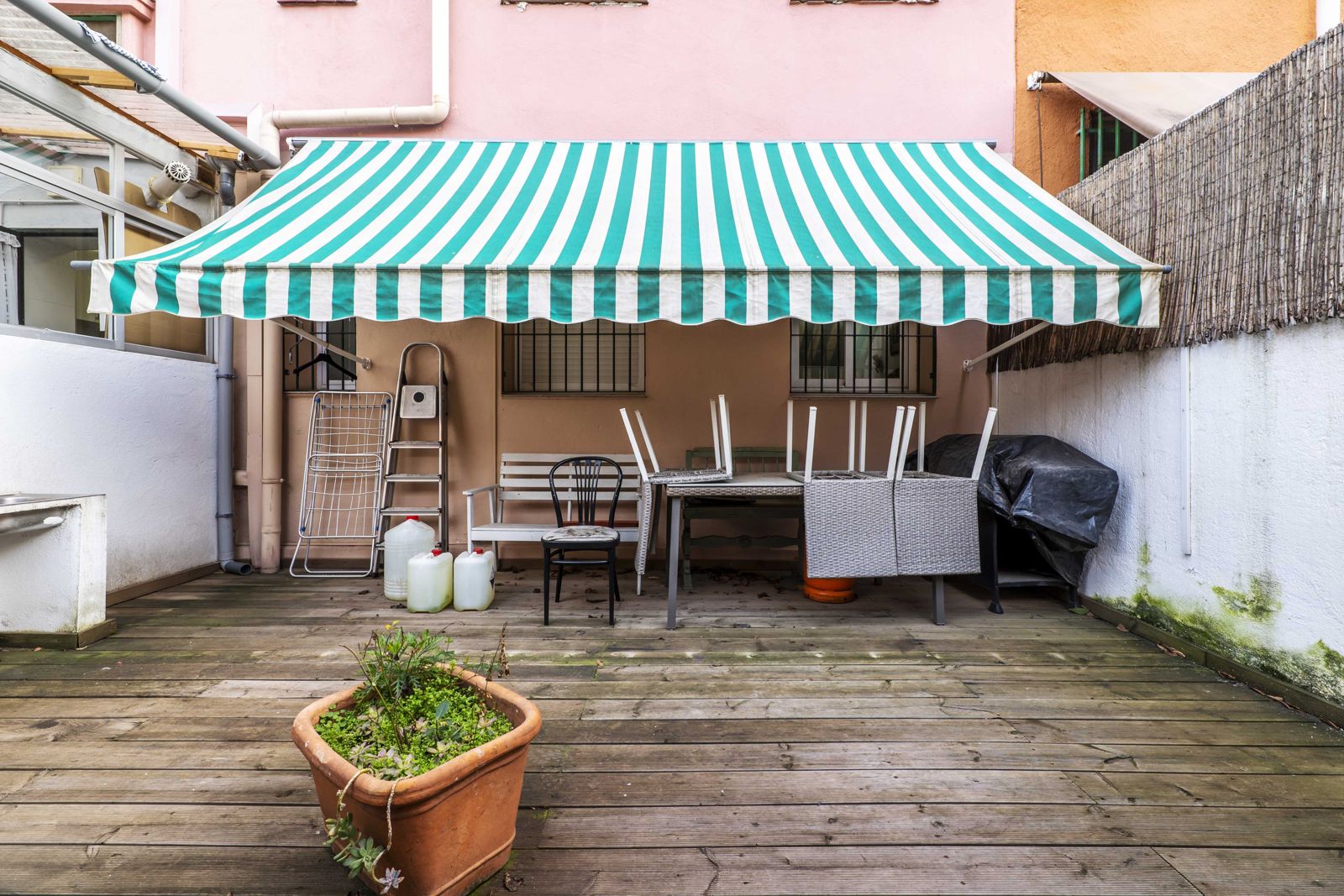
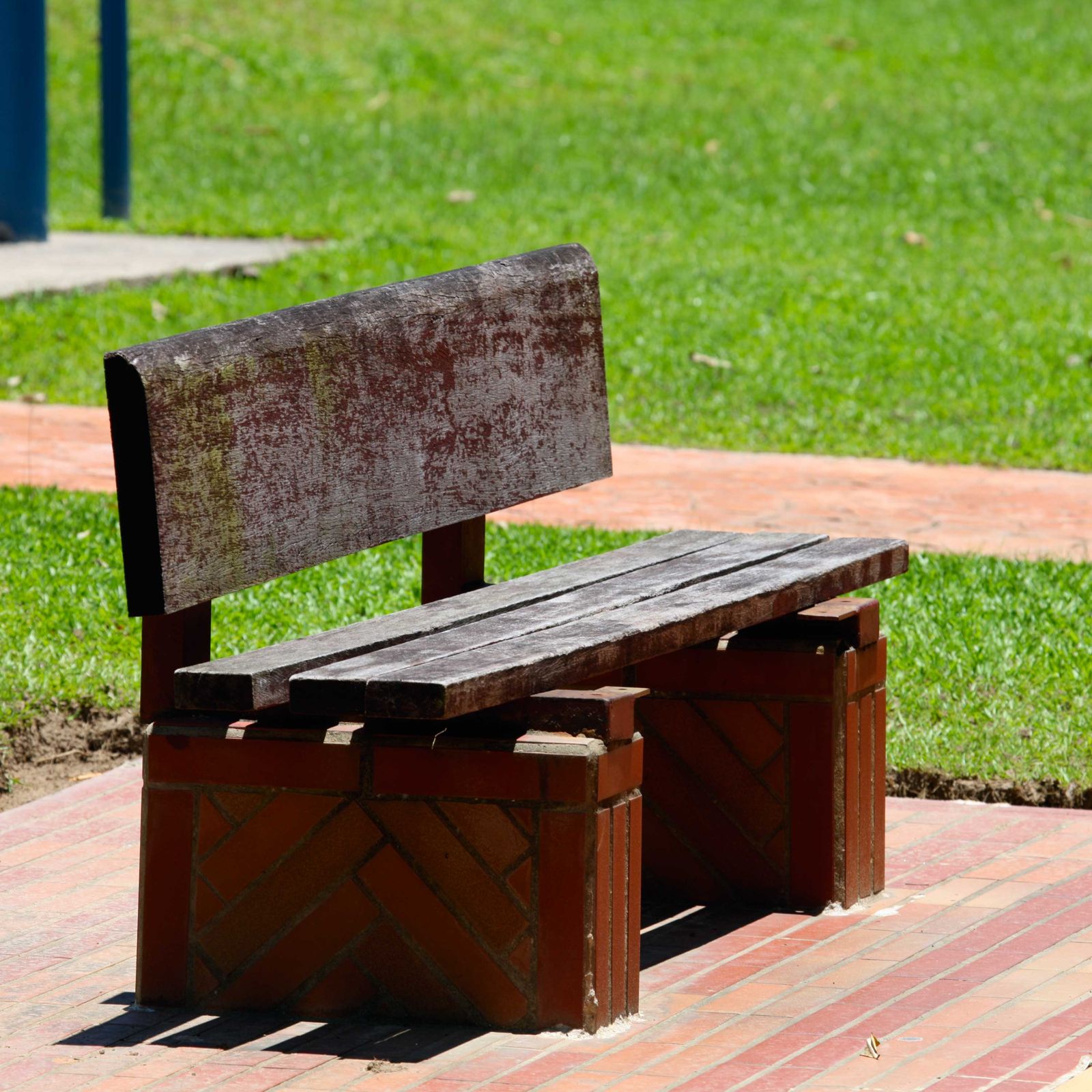
“We don’t want to become one of those places where everything looks nice on purpose,” said resident Marlene Tate, who has lived in Bellwick since 1978 and currently chairs the informal committee to keep things pretty much how they were. “People come here because we’re real. And nothing says real like a faded awning, a mysterious alley smell, and a bench nobody has sat on since the Clinton administration.”
The plan includes repairing cracked sidewalks, improving pedestrian lighting, creating a small pocket park, updating wayfinding signs, and offering matching grants to help property owners improve storefronts.
According to Economic Development Director Kyle Harrison, the goal is not to change the character of downtown, but to strengthen it.
“We’re trying to preserve what makes Bellwick special while making it easier for people to enjoy,” Harrison said. “Right now, our downtown has a lot of potential. Unfortunately, much of that potential is currently hidden behind plywood, expired event posters, and a decorative barrel that has been full of rainwater since 2019.”
Harrison added that the city’s authentic charm would remain fully intact.
“We are not proposing to remove the charm,” he said. “We are proposing to remove the tripping hazards.”
Still, several residents spoke passionately against the improvements, arguing that small towns lose their soul when they begin addressing deferred maintenance.
“This is how it starts,” said local business owner Dennis Holloway. “First it’s flower planters. Then it’s new lighting. Then suddenly people are walking around downtown after 5 p.m. like this is some kind of place.”
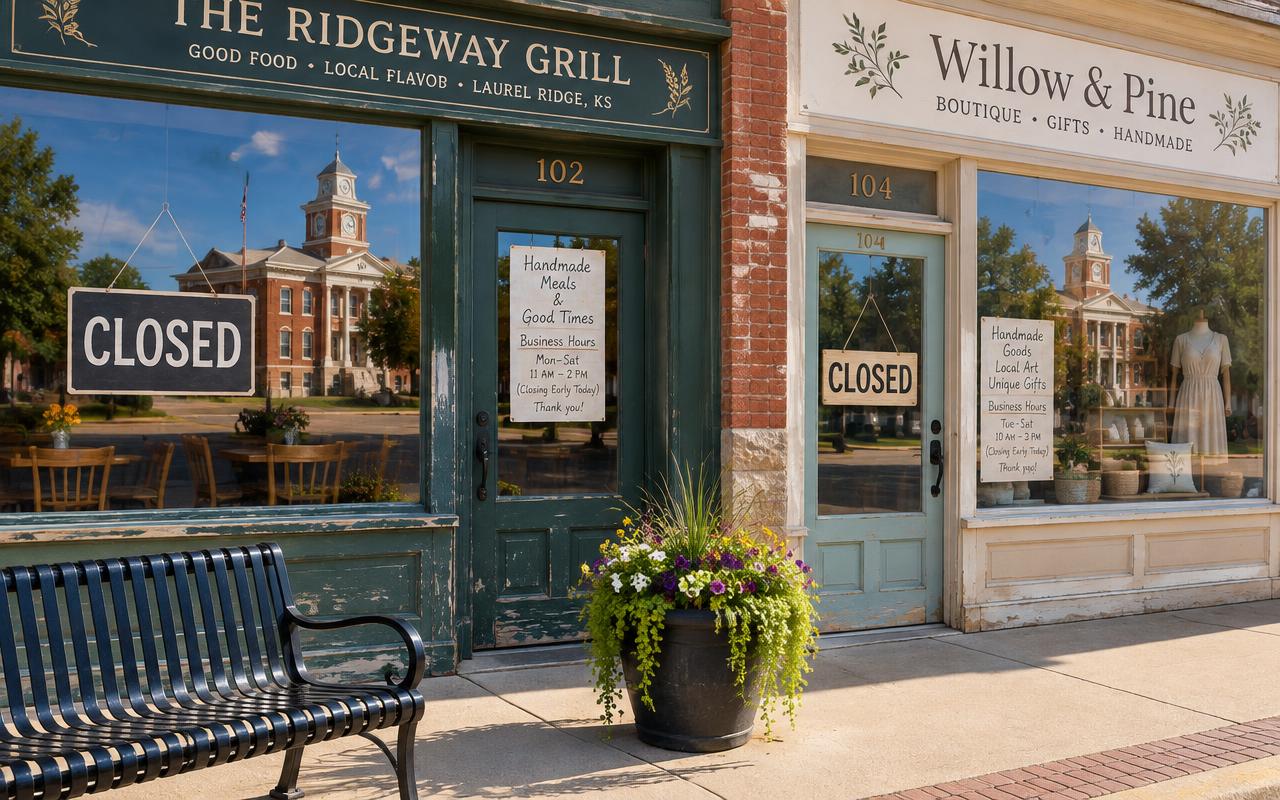
Harrison said he supports economic development, but only if it respects the town’s existing pace, which he described as “gradual, skeptical, and closed on Mondays.”
Others worried that physical improvements could attract outsiders, investors, or young families, groups the city has repeatedly identified as priorities in its strategic plan but has not yet emotionally prepared to encounter in person.
“We say we want young people to move back,” Tate said. “But do they need to bring strollers, dogs, and expectations?”
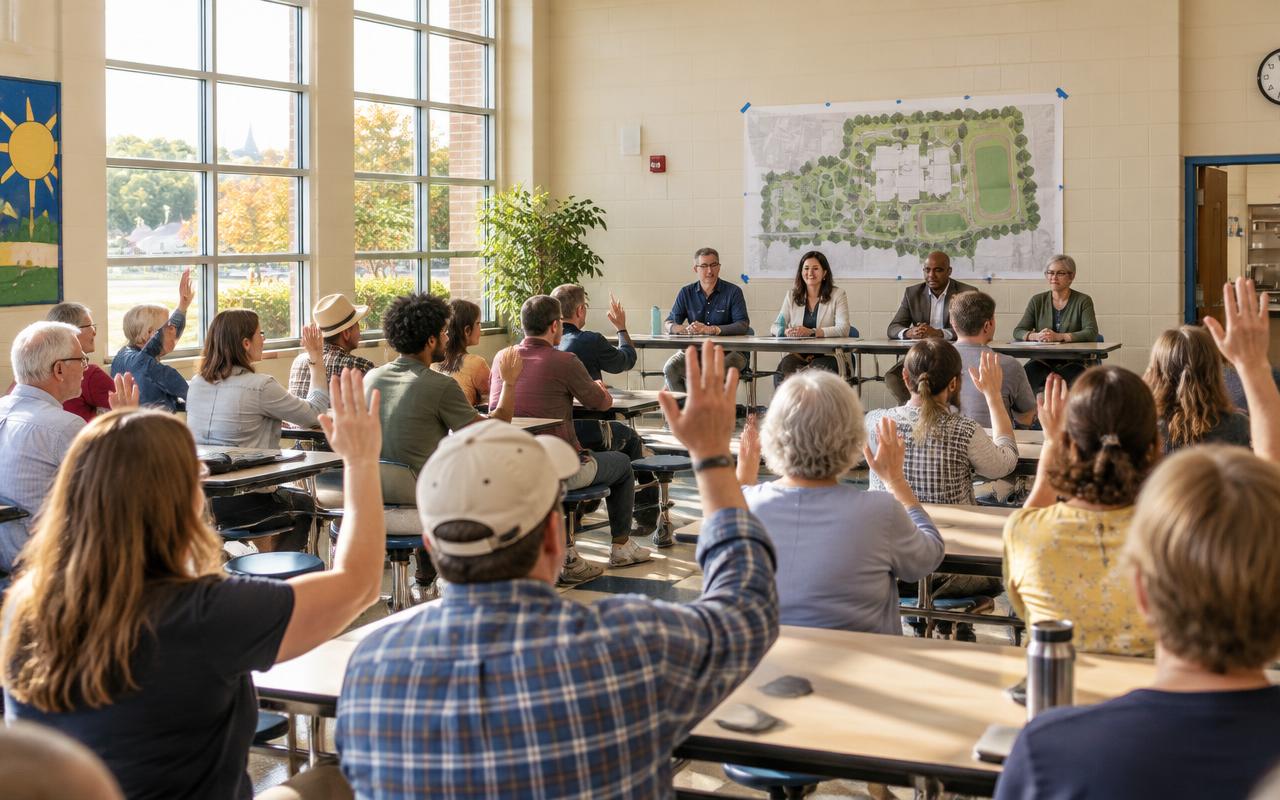
The proposal also drew criticism for including renderings that showed outdoor dining, public art, and people smiling near a crosswalk.
Councilmember Ron Bell said he found the images troubling.
“I’ve lived here my whole life, and I’ve never seen four people standing downtown at the same time unless something was on fire or someone parked wrong,” Bell said. “I’m not saying the renderings are inaccurate. I’m saying they are aspirational in a way that makes me uncomfortable.”
The debate intensified when Harrison suggested the city’s historic buildings could be preserved while still being adapted for modern use.
That comment prompted immediate pushback from residents who said preservation should mean leaving buildings exactly as they are, especially the vacant ones.
“If a building has been empty for 22 years, that’s part of its story,” said Holloway. “You can’t just put a bakery in there and erase history.”
City staff noted that several buildings are currently unusable due to roof damage, outdated wiring, water intrusion, and what one inspection report described as “active raccoon complexity.”
But opponents argued those conditions contribute to the town’s texture.
“You can’t manufacture authenticity,” Tate said. “You have to let it peel naturally.”
Supporters of the plan countered that downtown needs investment to remain competitive with neighboring Texas communities that have already embraced improvements such as seating, signage, lighting, and restaurants with regular hours.
Harrison said Bellwick risks losing business opportunities if it refuses to make basic upgrades.
“When a prospect visits, they are looking at the whole community,” he said. “They’re asking whether this is a place where people want to live, work, and spend time. Right now, our answer is, ‘Yes, but please ignore the cones.’”
The city’s most recent community survey found that residents overwhelmingly want more restaurants, more retail, more activity downtown, more events, more jobs, more visitors, and more reasons for their children to move home.
The same survey found strong opposition to traffic, noise, parking changes, apartments, visible construction, murals, unfamiliar restaurant concepts, and “anything that makes us look like Fredericksburg.”
Mayor Linda Perez said the tension is understandable.
“Bellwick is proud of its character,” Perez said. “But character and neglect are not the same thing, even though we have allowed them to share an office for several years.”
Perez said the city will continue gathering public input before voting on the proposal next month.
In the meantime, officials plan to revise the downtown improvement renderings to make them feel less threatening to residents.
“We’ve asked the consultant to remove some of the people from the images,” Harrison said. “Maybe dim the lights a little. Add a pothole or two. Something that says progress, but not in a way that alarms anyone.”
At press time, the city had reached tentative consensus around a new downtown vision statement: “Bellwick: Better, But Not So Much That People Notice.”