“What’s that smell?”
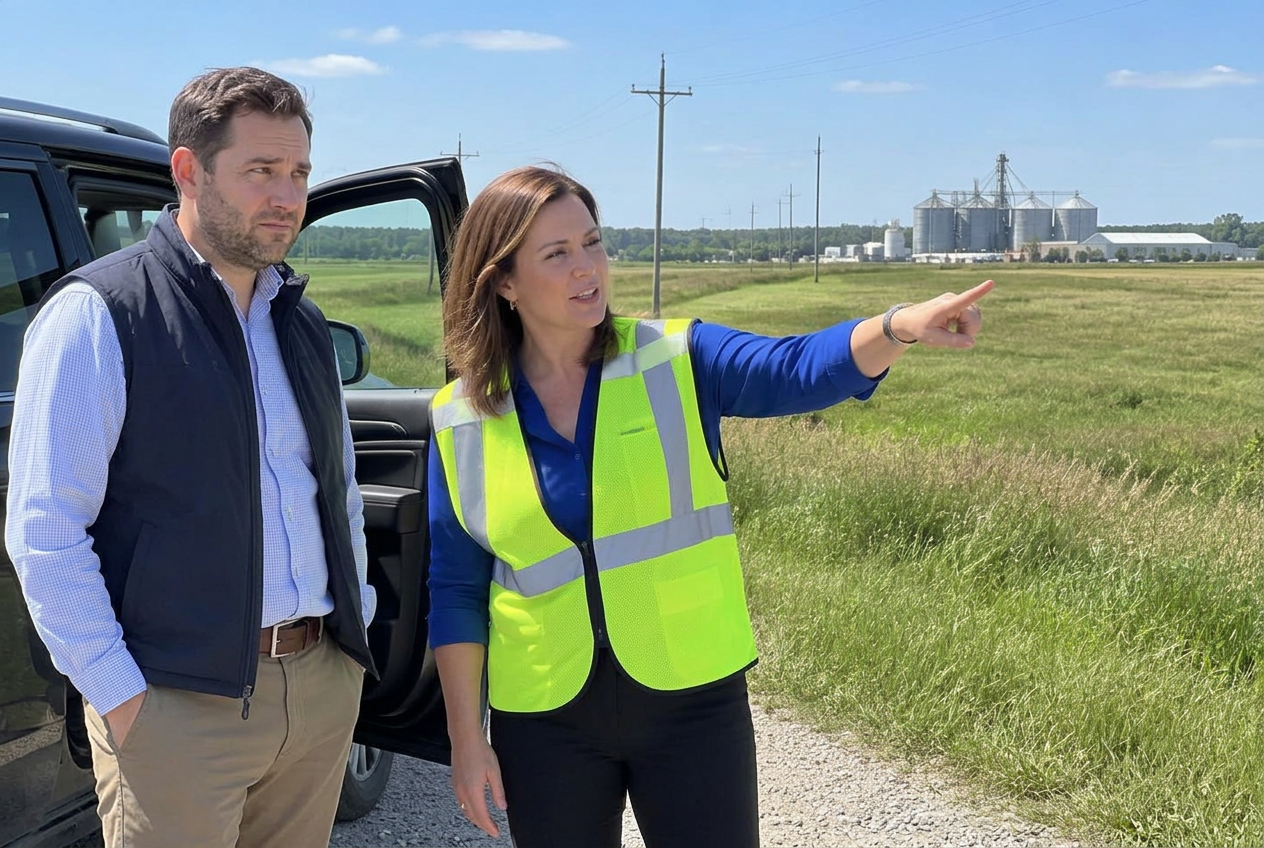
Economic Development Director Laura Benton responded immediately.
“That’s coming from somewhere else.”
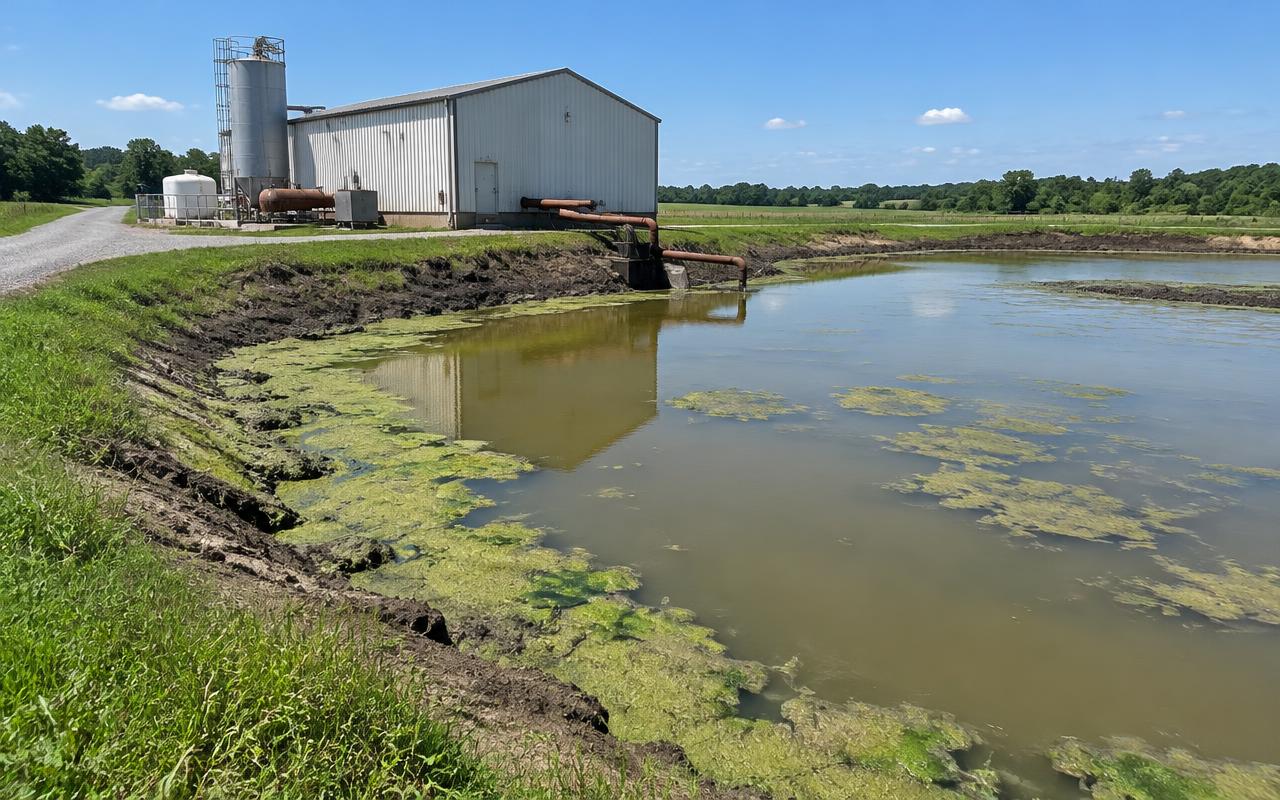
Witnesses described the answer as confident, immediate and delivered before Benton had fully exited the SUV.
The prospect, a manufacturer considering a 220-acre site on the eastern edge of Sycamore Grove, reportedly nodded but continued looking toward a nearby cluster of industrial buildings.
Benton quickly redirected the group toward the property’s utility infrastructure.
“We’ve got excellent power capacity here,” she said. “And fiber.”
The smell remained.
According to staff, the odor is believed to originate from an agricultural processing facility located approximately 2.7 miles away, although no one has independently verified that distance.
“It’s definitely not the site,” Benton said. “That’s the main takeaway.”
Officials said the issue rarely arises during tours because prevailing winds usually carry the smell in what they described as “a more cooperative direction.”
Tuesday was not one of those days.
The prospect asked whether the odor was common.
“Not common,” Benton said.
She then paused.
“Seasonal.”
Another pause followed.
“Occasionally seasonal.”
County officials later clarified that the smell generally occurs during a limited number of months each year, depending on weather, production schedules and what they called “a few variables.”
No one offered an exact number of months.
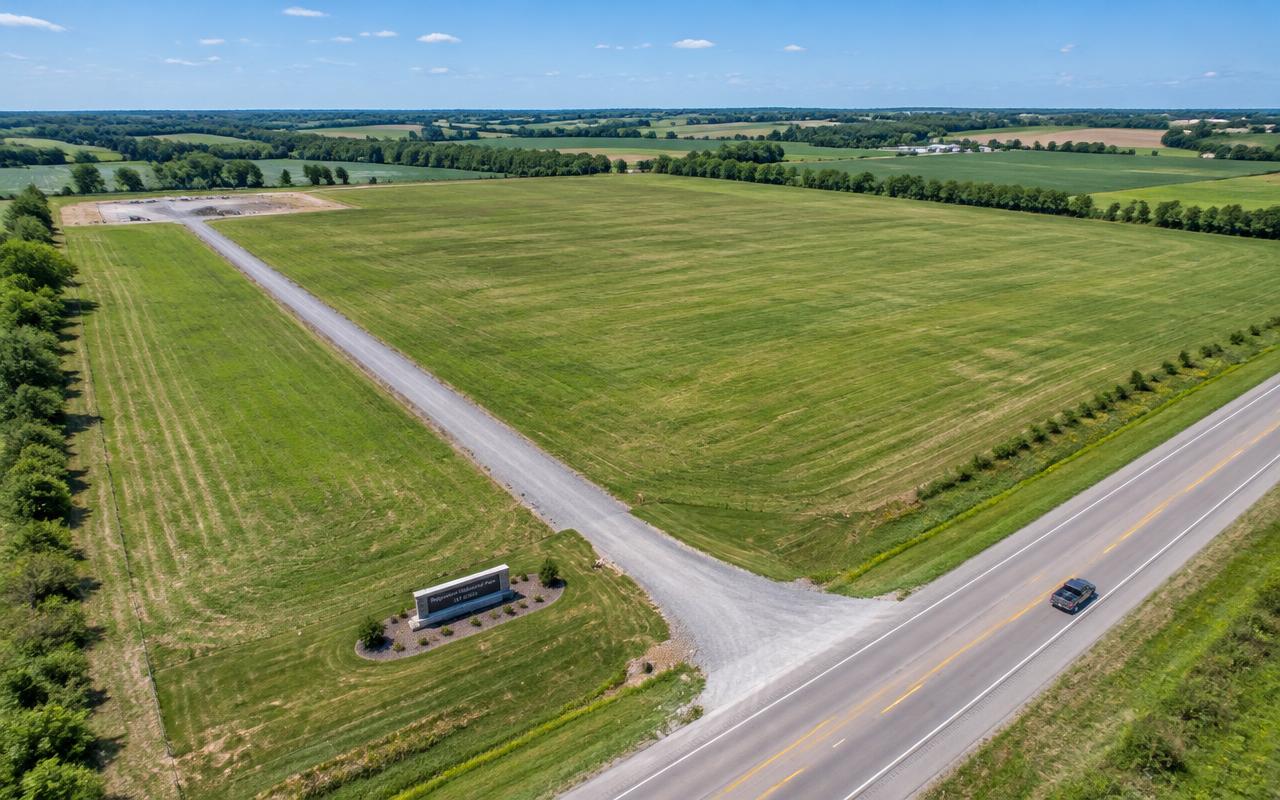
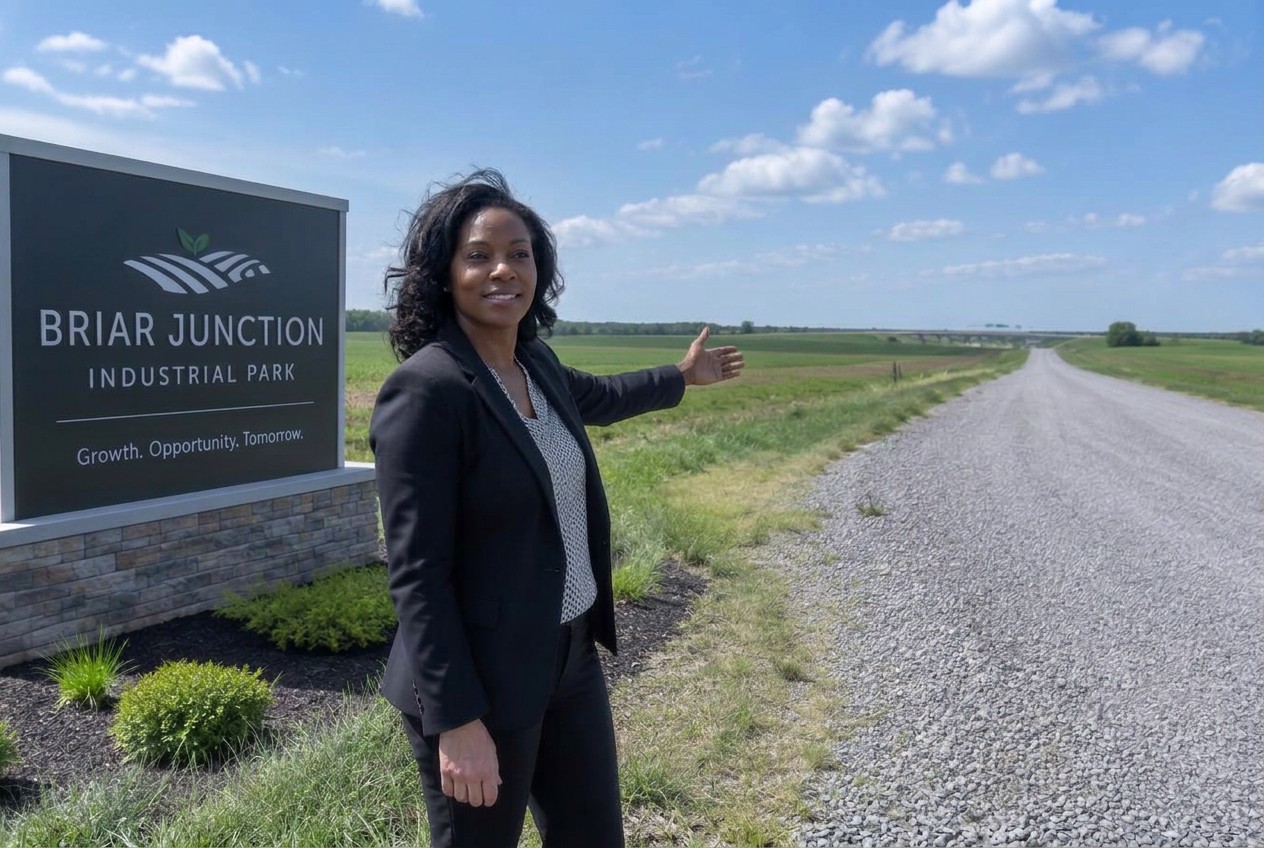
The community has marketed the site for years as a premier location for advanced manufacturing, food processing and logistics.
Its promotional materials highlight interstate access, shovel-ready acreage, strong utilities and “an attractive rural setting.”
The phrase “rural setting” is currently under internal review.
“We never said it smelled like pine trees,” said County Commissioner Eric Dalton.
Dalton emphasized that every industrial site comes with tradeoffs.
“You want 200 acres, heavy power and affordable land, sometimes you’re going to know agriculture exists,” he said.
The prospect continued the tour and appeared impressed with the site’s infrastructure.
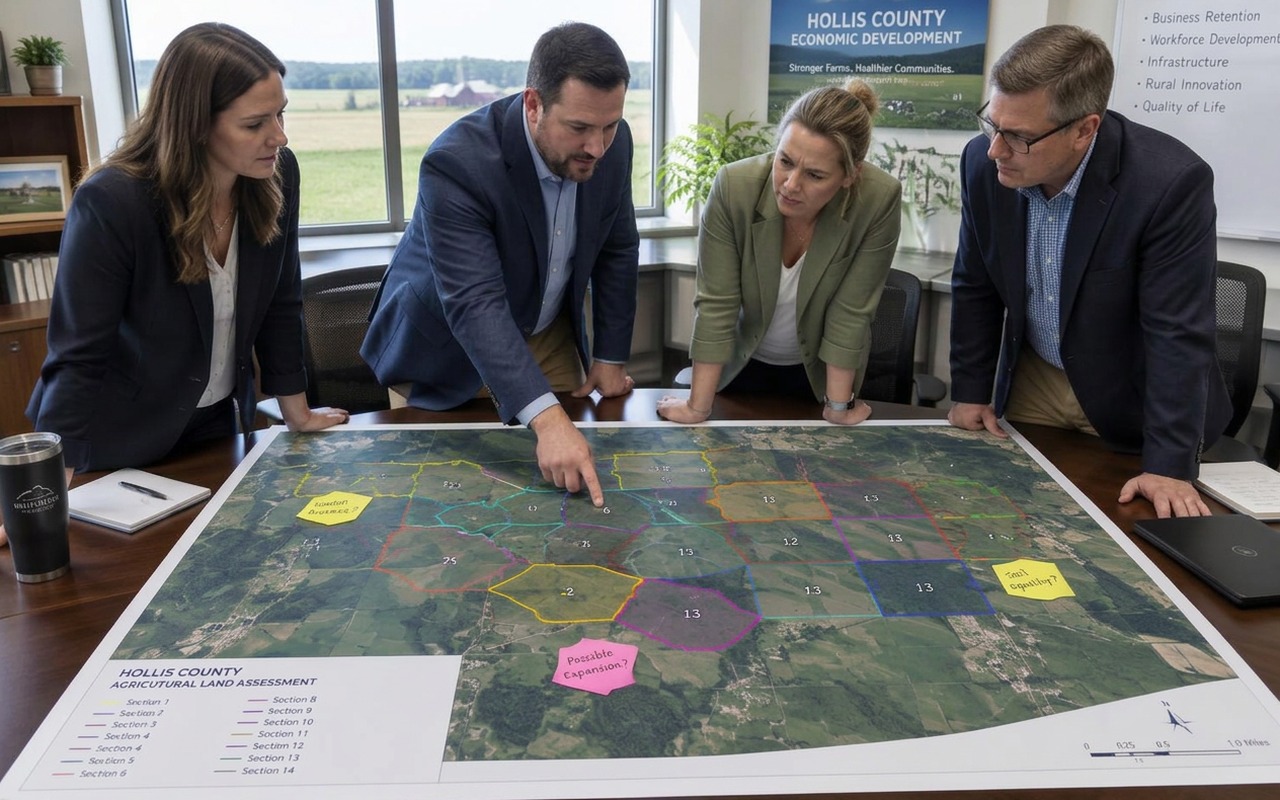
At one point, company representatives gathered around a utility map while Benton subtly repositioned the group upwind.
“I just wanted them to get a better angle on the property,” she explained.
The tour later moved to the site’s northern boundary, where the odor temporarily disappeared.
Staff immediately declared the issue resolved.
“See?” Benton said. “Gone.”
Thirty seconds later, the wind shifted.
The smell returned.
The prospect’s engineering consultant reportedly looked toward Benton.
Benton looked toward the highway.
“That may actually be diesel,” she said.
Economic development staff later met privately to discuss whether future site tours should include a weather check beyond temperature and rain probability.
The team is now considering adding wind direction to its pre-tour checklist alongside bottled water, property flyers, safety vests and making sure the landowner knows strangers will be standing in his field.
“We already check for storms,” said Project Manager Hannah Cole. “Apparently we also need to know where the air is coming from.”
Cole denied reports that the organization had begun scheduling tours only on days with strong northerly winds.
“We schedule based on prospect availability,” she said.
She then added, “But Thursday mornings tend to be nice.”
Despite the odor, officials remain confident in the property.
Benton noted that several nearby companies have operated successfully for decades and that no previous prospect has eliminated the community specifically because of the smell.
“Not that they told us,” she said.
Local leaders have also begun exploring possible long-term solutions.
One proposal involves additional landscaping along the property boundary.
Another calls for planting a row of evergreen trees.
A third simply recommends continuing to say the smell is coming from somewhere else.
“That strategy has worked pretty well so far,” Dalton said.
The prospect completed the tour and thanked the community for its hospitality.
Before leaving, one executive asked again what facility was responsible for the odor.
Benton pointed toward the horizon.
“It’s over that way.”
Asked how far, she smiled.
“Far enough.”
At press time, Sycamore Grove officials were updating the site’s marketing copy to describe the property as offering “excellent infrastructure in an authentic working landscape.”.