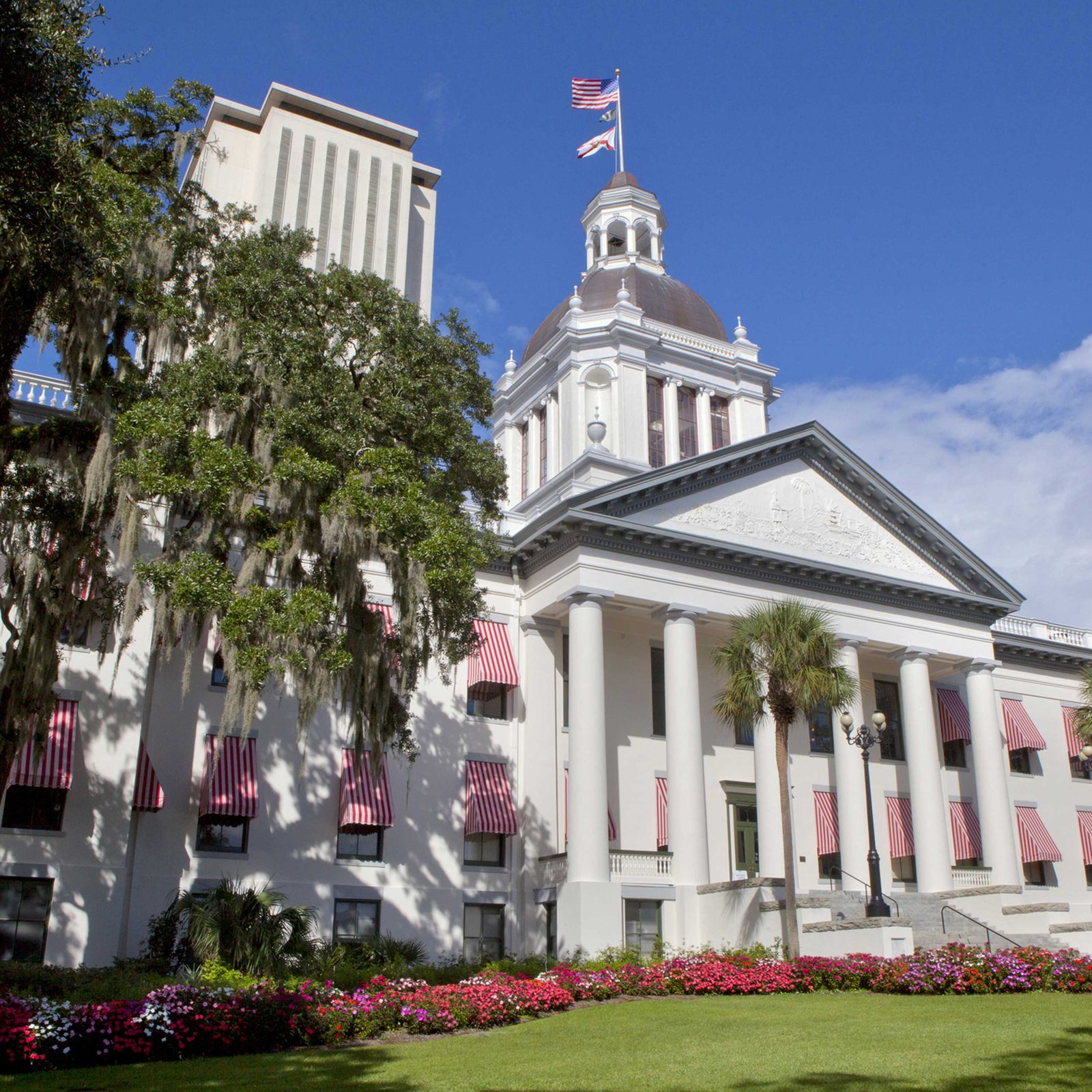
The proposal, which state leaders described as “bold,” “transformational,” and “still being worked through by people who are not currently responsible for fixing culverts,” has sparked discussion among cities, counties, school districts, fire departments, economic development organizations, and anyone else whose budget contains the word “revenue.”
At a Tuesday meeting of the Palmbrook City Commission, officials said they were eager to learn more about the plan, particularly the part where money is replaced with something else.
“We absolutely understand that property taxes are a burden on homeowners,” said City Manager Denise Alvarez, speaking slowly while looking at a spreadsheet with the facial expression of someone reading bad medical news. “At the same time, property taxes do currently help pay for roads, public safety, infrastructure, parks, permitting, drainage, planning, and the people who answer the phone when residents call to ask why the grass is high near the roundabout.”
Alvarez said the city is approaching the proposal with an open mind and a fully charged calculator.
State officials have assured local governments that details will be provided later, a timeline that many municipal leaders described as “exciting in the way a raccoon in the attic is exciting.”
According to early summaries, the plan could provide significant relief to property owners while requiring local governments to identify alternative revenue sources, reduce spending, increase efficiency, rethink services, modernize operations, pursue innovation, leverage partnerships, and “stop being negative about math.”
Economic development leaders said the proposal could create both opportunities and challenges.
“Lower taxes are obviously attractive from a business climate standpoint,” said Palmbrook Economic Development Director Martin Cale. “But when we recruit companies, they also tend to ask whether the community has roads, utilities, fire protection, workforce programs, site readiness, and an industrial park with roads, water, sewer, broadband, and other things companies have become weirdly insistent about.”
Cale said the city’s current business attraction strategy depends heavily on infrastructure, responsiveness, and quality of life, all of which have traditionally performed best when funded.
“We can tell prospects we’re low-tax,” Cale said. “The question is whether we can also tell them the water pressure works.”
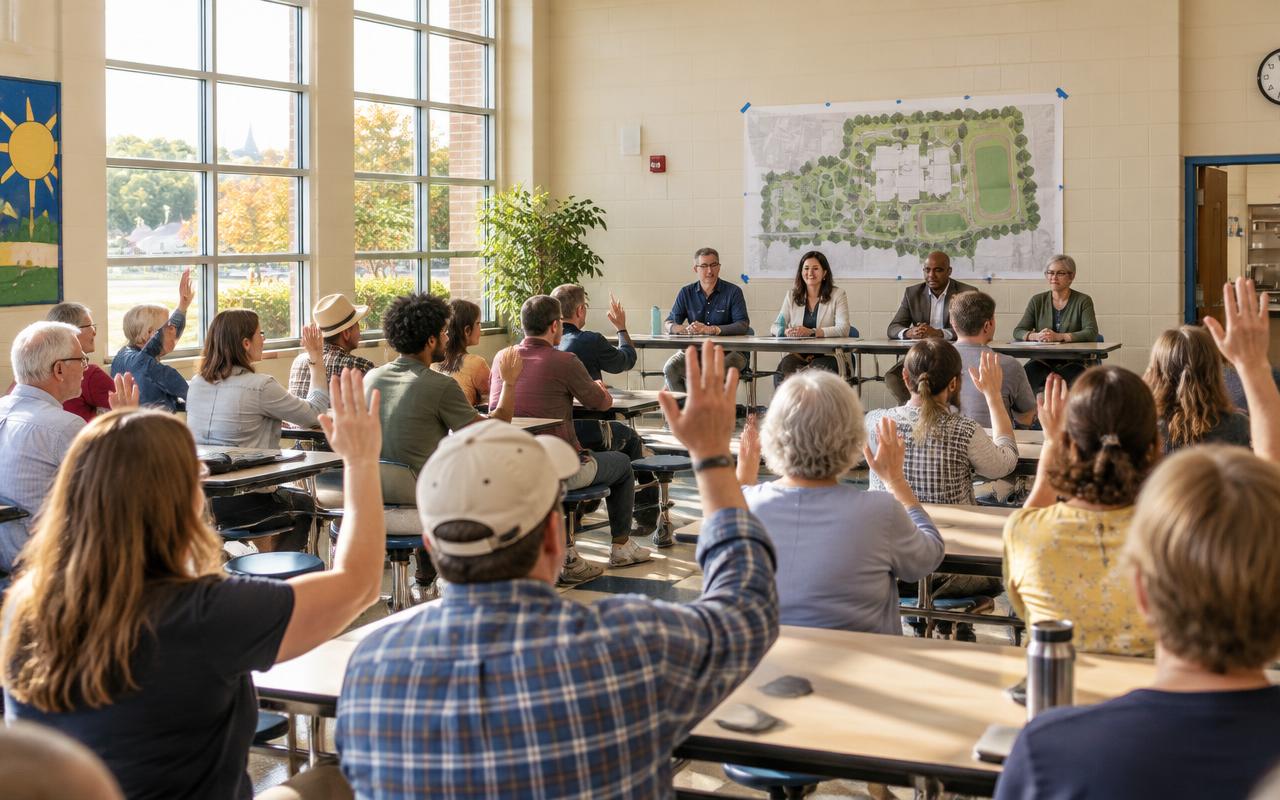
Residents attending the meeting were divided. Several praised the possibility of tax relief, while others asked whether eliminating property taxes might affect services they personally use, which commissioners confirmed was “sort of the central question.”
“I don’t like property taxes,” said resident Carolyn Wexler. “But I do like police, libraries, drainage, sidewalks, streetlights, and the fire department arriving with equipment. So I guess I’m open to hearing what the replacement is, unless the replacement is me volunteering.”
Another resident suggested the city could offset lost revenue through tourism, naming rights, or “maybe one of those grants,” prompting the finance director to briefly close her eyes and become very still.
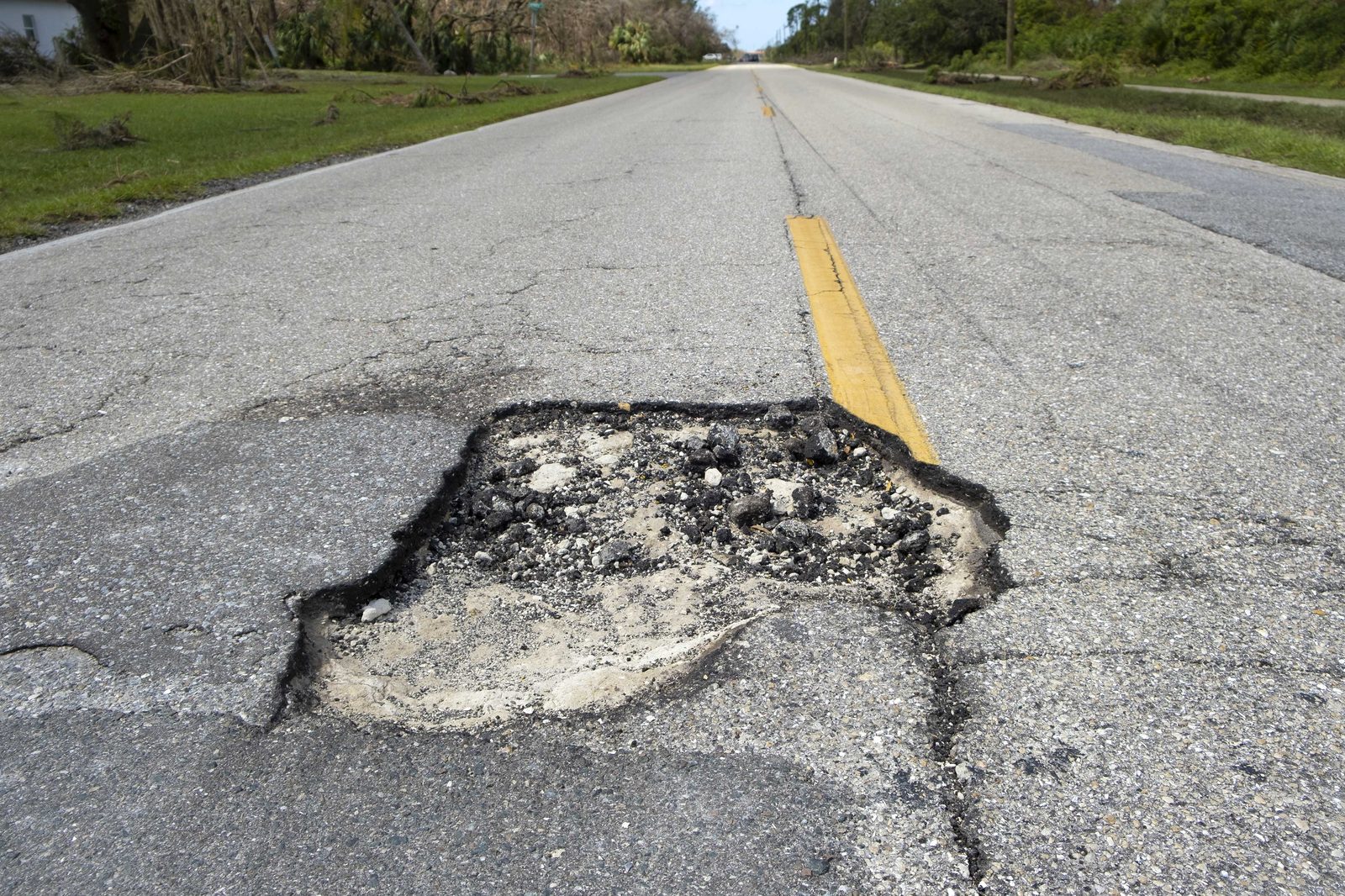
City staff have begun preparing several contingency scenarios, including a reduced-services model, a phased infrastructure delay model, and a public-private partnership model in which every pothole is sponsored by a local insurance agent.
One draft proposal would rename unfunded capital improvements as “future-facing opportunities,” while another recommends describing budget shortfalls as “community-driven service prioritization.”
Officials also discussed whether economic development could be funded through alternative methods, including special districts, sales tax revenue, private investment, voluntary contributions, corporate sponsorships, and asking the chamber if they “have anything left in their budget.”
Cale warned that uncertainty alone could create issues.
“Companies like predictability,” he said. “If we’re trying to attract investment while also explaining that our funding model is currently in the ‘figuring it out later’ stage, that does create some messaging challenges.”
To prepare for potential changes, the city is revising its recruitment materials. The current tagline, “Palmbrook: Built for Business,” may be replaced with “Palmbrook: Built for Business, Pending Clarification.”
Alvarez said the city is not panicking, but is being realistic.
“We have been told the details are coming,” she said. “And in local government, nothing is more comforting than knowing the details are somewhere, moving toward you at an unspecified speed.”
At press time, Palmbrook officials had formed a Property Tax Elimination Readiness Task Force, which will meet monthly until it determines whether readiness is possible without revenue.