

The shift comes as many publicly funded economic development organizations continue operating under policies prohibiting the purchase of alcoholic beverages with taxpayer dollars, forcing leaders to seek alternative methods of relationship-building during networking events traditionally fueled by cocktails, bourbon tastings, and increasingly aggressive “local brewery experiences.”
According to conference attendees, the disparity has created what some economic developers privately describe as “a major competitive disadvantage.”
“You’re sitting there with a black coffee and a government-issued level of anxiety,” explained one economic development director attending an industry conference this week. “Meanwhile, the community next to you is ordering 18-year bourbon flights and casually discussing speculative buildings.”
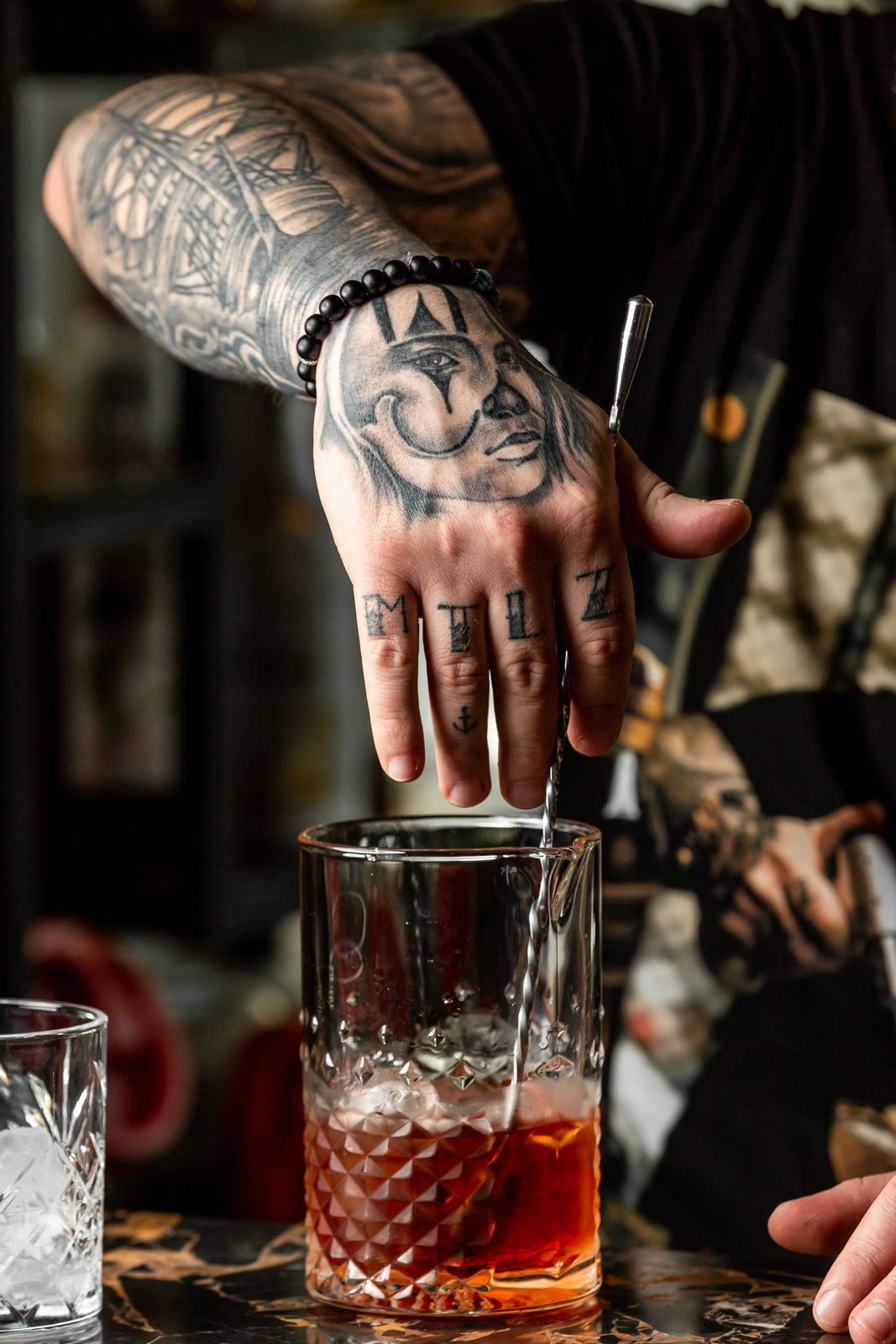
The director later confirmed he spent $14.75 on a single pour-over coffee served in what he described as “a very small but emotionally-significant mug.”
Sources say coffee-based networking efforts have escalated dramatically in recent years as communities attempt to replicate the relationship-building atmosphere traditionally associated with evening hospitality events.
One Midwest organization reportedly hosted a “strategic espresso conversation” with a site consultant inside the lobby café of a convention hotel after learning nearby competitors were entertaining prospects at a rooftop whiskey lounge.
“We had oat milk options,” said the organization’s marketing manager. “We did what we could.”
Industry experts say the issue reflects a growing divide between publicly funded organizations operating under strict accountability policies and privately structured groups with greater entertainment flexibility.
“There’s definitely tension,” explained conference strategist Brad Reynolds. “One group is carefully documenting a cappuccino purchase for reimbursement compliance, while another group is ordering smoked old fashioneds and discussing workforce pipelines over Wagyu sliders.”
Reynolds noted that coffee spending itself has become increasingly performative within economic development circles.
“What used to be a basic coffee meeting is now basically an infrastructure investment,” he said. “Communities are ordering single-origin Ethiopian beans with tasting notes that sound like downtown master plans.”
The pressure reportedly intensifies during national conferences, where economic developers often find themselves attempting to maintain prospect engagement deep into evening networking hours while simultaneously remaining compliant with municipal purchasing guidelines.
One economic developer from the Southeast described recently trying to extend a conversation with a corporate executive by purchasing what hotel staff referred to as a “reserve-level cinnamon maple cold brew experience.”
“It cost $22,” the director admitted quietly. “They served it in glassware normally associated with chemistry labs.”
Despite the effort, the executive reportedly left 14 minutes later to attend an invitation-only bourbon reception hosted by a competing state.
“That’s the hard part,” the director explained. “You start wondering whether your strategic latte foam art is enough to compete.”
The issue has sparked growing discussion throughout the industry, with some leaders arguing publicly funded organizations should receive greater flexibility in hospitality spending, while others insist taxpayer-funded economic development efforts must maintain strict ethical boundaries.
Still, many economic developers remain frustrated by what they perceive as an uneven playing field.
“You spend years building infrastructure, workforce partnerships, and business retention programs,” said one director. “Then suddenly the deciding factor feels like whether you can legally buy someone an Old Fashioned.”
At press time, several economic developers were reportedly preparing for an evening networking event by researching which conference hotel coffee bar offered the “most relationship-forward beverage experience.”
Sources confirmed one community had upgraded to ceramic mugs in an effort to remain competitive.