

The meeting, hosted by the Iron Creek Economic Development Authority, was intended to educate the public about the benefits of the 800,000-square-foot hyperscale data center project, which officials described as “transformational,” “future-focused,” and “nearly impossible to explain clearly.”
Instead, much of the evening was spent answering increasingly emotional questions about why artificial intelligence apparently becomes overheated while generating inspirational copy for LinkedIn posts and AI-generated headshots.
“I guess I just don’t understand why ChatGPT needs a lake to write emails,” said resident Karen Whitmore, drawing applause from the audience.
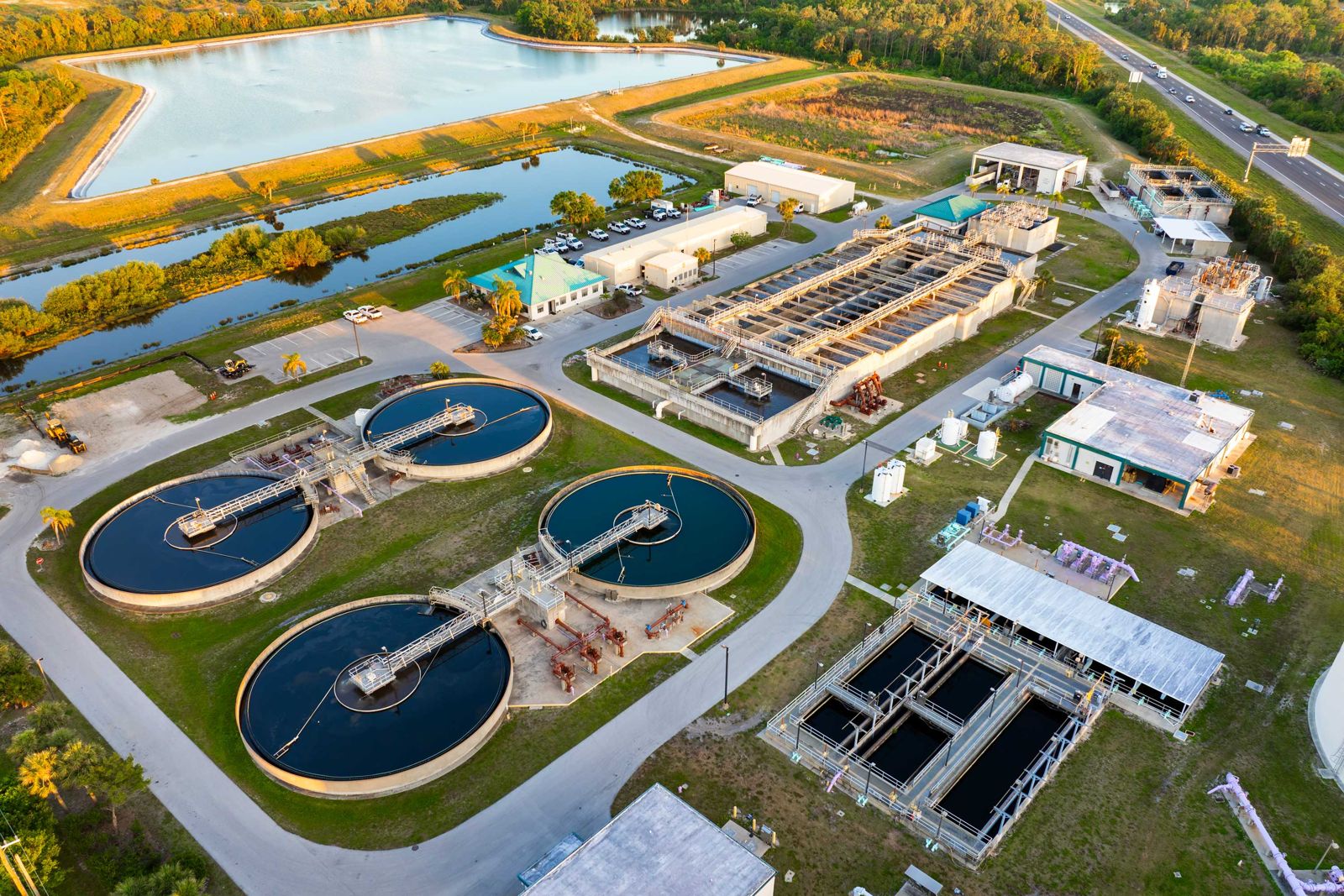
According to consultants hired by the county, the facility’s servers generate enormous amounts of heat while processing AI workloads, requiring extensive cooling infrastructure involving water, electricity, fans, pipes, chillers, cooling towers, backup systems, secondary backup systems, and “additional components nobody without an engineering degree fully understands.”
One presenter attempted to reassure the crowd by comparing the facility to “a giant digital brain.”
Unfortunately, that explanation reportedly made things worse.
“So we’re draining the aquifer so robots can have thoughts?” one resident shouted from the back.
Economic Development Director Tyler Greene spent nearly two hours attempting to clarify that artificial intelligence does not literally drink water.
“The water is for cooling,” Greene explained repeatedly. “The servers become extremely hot.”
Residents remained skeptical.
“What exactly are they thinking about in there that requires this much cooling?” asked another attendee. “Because my husband has been thinking for 62 years and only needs one ceiling fan.”
The meeting intensified after a consultant stated that AI demand is “accelerating rapidly worldwide,” causing one resident to ask whether humanity had considered “simply slowing down.”
Others expressed concern over the project’s projected electricity demand, which one utility representative described as “more electricity than anyone thought a building should need.”
Still, local leaders emphasized the economic opportunity associated with landing a major data center project, including new tax revenue, infrastructure investment, utility expansion, and the possibility that someone from Silicon Valley might eventually visit the community voluntarily.
“This is about positioning our county for the future,” Greene said while standing beside a rendering of a windowless gray building larger than most nearby neighborhoods.
Audience members appeared unconvinced.
Several residents noted that the facility would employ fewer people than the local Buc-ee’s.
“That’s correct,” Greene acknowledged, “but the jobs are very high-paying and involve words like ‘cloud architecture.’”
The county’s consultant later presented a slide titled Understanding The AI Economy, which explained that modern society increasingly relies on massive computing infrastructure to support chatbots, recommendation engines, automated business systems, and people turning themselves into action figures online.
At one point, the room reportedly fell silent after officials revealed that some AI queries consume “small amounts” of water indirectly through cooling systems.
One resident slowly closed her notebook and asked, “So every time my grandson asks AI to make a cartoon frog wearing Jordans, we’re using infrastructure?”
Sources say that question was not directly answered.
The meeting concluded with officials encouraging residents to “continue learning about the opportunities and complexities of digital infrastructure investment.”
At press time, community leaders were reportedly optimistic that a new informational website and animated explainer video could help residents better understand why a machine generating fantasy football summaries now requires the resources of a regional utility provider.