The controversy intensified Tuesday morning after traffic near the community’s new industrial corridor slowed to nearly 11 miles per hour during peak commute times, forcing many residents to confront the horrifying reality that economic activity often involves transportation.
“We absolutely wanted better jobs,” said local resident Karen Whitmore while sitting in a line of cars created almost entirely by other residents driving to better jobs. “We just didn’t realize people would physically travel to them.”
The community had previously celebrated the arrival of multiple manufacturing, logistics, and distribution facilities expected to create more than 2,400 jobs and significantly expand the local tax base.
At the time, leaders praised the projects as “transformational opportunities for long-term prosperity.”
Now, many of those same residents are demanding immediate action against:
Increased truck traffic
Longer commute times
Road construction
Traffic signals
Roundabouts
And “all these workers”
Sources confirmed the backlash became especially intense after residents learned the new industrial park would operate during standard business hours, causing what transportation engineers describe as “cars existing simultaneously.”
“I moved here because it was quiet,” said another resident who relocated during the exact population boom fueled by economic growth initiatives. “Now suddenly there are warehouses, employees, suppliers, contractors, and activity everywhere. It’s like the economy is happening right in front of us.”
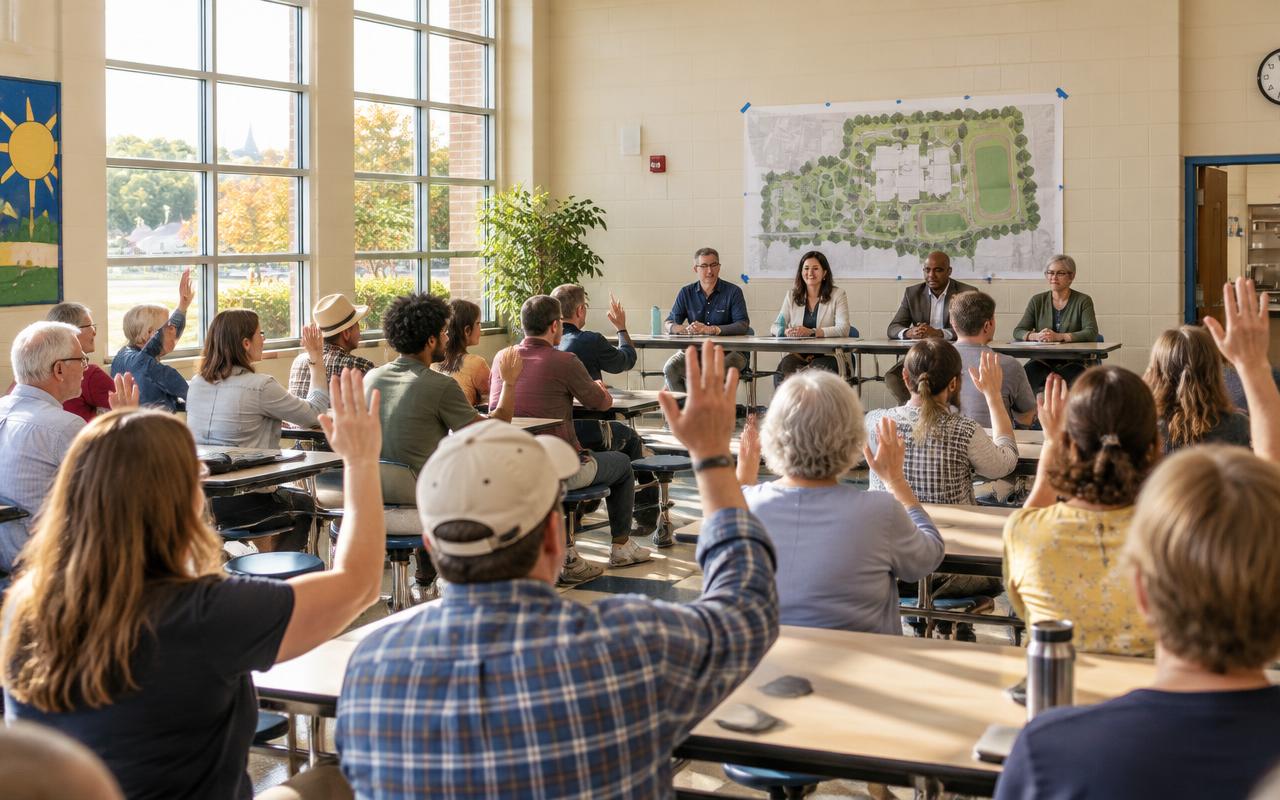
Residents reportedly became further alarmed after city engineers unveiled plans for additional lane expansions, intersection upgrades, and infrastructure improvements designed to support the exact growth residents spent years requesting during strategic planning sessions.
“I support economic development,” said one attendee during public comment. “I just assumed the jobs would somehow arrive without creating any measurable economic patterns.”
Meanwhile, local officials attempted to calm tensions by presenting a traffic study showing average commute delays had increased by just four minutes during peak periods. The presentation reportedly ended abruptly after one resident described the situation as “basically Los Angeles now.”
Transportation consultants noted that the congestion remains relatively minor compared to larger metropolitan areas, but acknowledged that many residents are experiencing what experts call “first-contact economic growth.”