A promising business recruitment project came to an abrupt halt this week after a local building advertised as available immediately became unavailable the moment a legitimate prospect expressed interest.
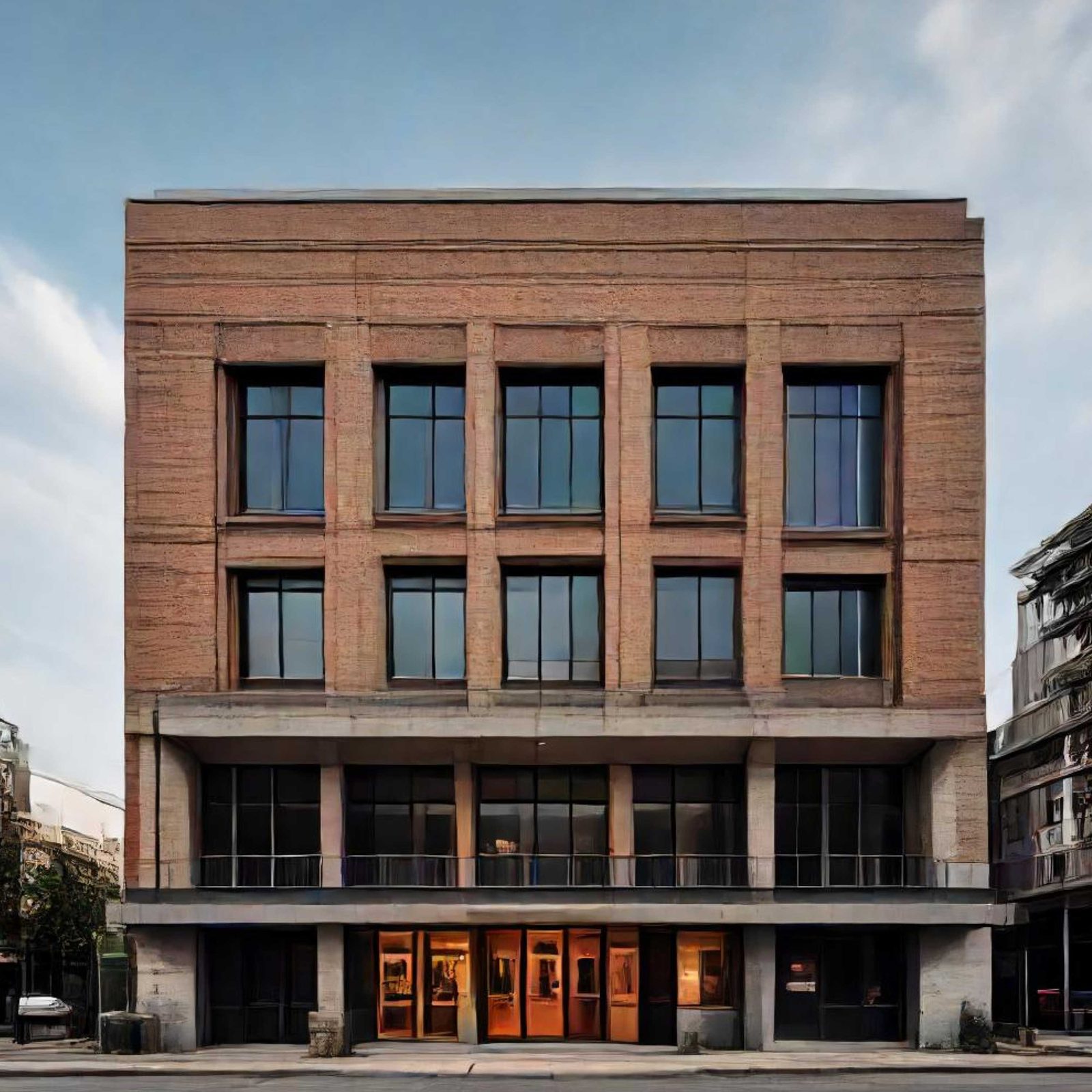
The 42,000-square-foot office building, which has been listed on multiple real estate websites since 2017 and described by its owner as “ready for the right user,” was removed from serious consideration Tuesday after the owner clarified that “ready” did not necessarily mean ready to sell, lease, price, show, negotiate, return calls, or make a decision.
“We were excited because the building checked several boxes,” said Economic Development Director Karen Willis. “It had square footage, loading docks, highway access, and, according to the listing, availability. Unfortunately, availability turned out to be more of a philosophical position than a transactional one.”

According to officials, the prospect was seeking an existing building for a financial services operation that could create 185 jobs within 18 months. The project required a clear purchase or lease price, basic building information, and a willingness by the owner to engage in a timely conversation.
The property owner, local businessman Dale Whitcomb, initially expressed excitement about the opportunity before learning the company was “real-real” and not just another speculative inquiry.
“That building has a lot of potential,” Whitcomb said. “And once I heard there was interest, I started thinking maybe I should hold onto it. Or maybe sell it. Or maybe lease it. Or maybe redevelop it myself. I just don’t want to rush into anything, especially after only seven years on the market.”
Within hours of the prospect’s inquiry, the asking price reportedly increased by 38 percent to reflect what Whitcomb called “new market energy.”
When asked what had changed about the property, Whitcomb pointed to the recent discovery that someone might want it.
“That tells me I may have something special,” he said.
Economic development professionals say the situation is not unusual. In many communities, available properties are only available in the sense that they are empty, visible from the road, and frequently mentioned during board meetings.
“The hardest part of site selection is not always finding the site,” said regional site consultant Kirk Kirkpatrick. “Sometimes it’s finding out whether the person who owns the site believes in the concept of selling property.”
Local officials said the building had appeared on their inventory for years, though staff had quietly stopped showing it to prospects after several previous attempts ended with Whitcomb changing the terms, delaying access, or suggesting he might prefer to lease it only to a business that would “fit the vibe.”
The current prospect reportedly became concerned after asking whether the building was for sale or lease and receiving the answer, “We’re open to creative conversations.”
“That is usually when a project manager begins looking at the next community,” Kirkpatrick said.
The episode has revived discussion about whether the economic development organization should remove certain privately owned sites and buildings from its marketing materials, even if they technically remain “available.”
“We want to promote opportunities,” Willis said. “But we also have to be honest about which opportunities can actually survive contact with their owner.”
Some board members resisted removing the property, noting that it is one of the community’s few large existing buildings and looks strong on a map.
“If we take it off the website, then we have fewer buildings to show,” said board member Greg Harlan. “And that could make it look like we don’t have product.”
Staff replied that the community already does not have product if the product cannot be toured, priced, controlled, optioned, purchased, leased, or discussed without triggering a personal journey of self-discovery by the owner.
In response, the board agreed to form a Property Readiness Subcommittee to determine which listed sites are truly available and which are merely experiencing vacancy.
Whitcomb said he remains open to working with the prospect but would need additional time to evaluate the opportunity, reconsider the valuation, talk with his brother-in-law, check on tax implications, and decide whether he has always secretly wanted to run a business incubator.