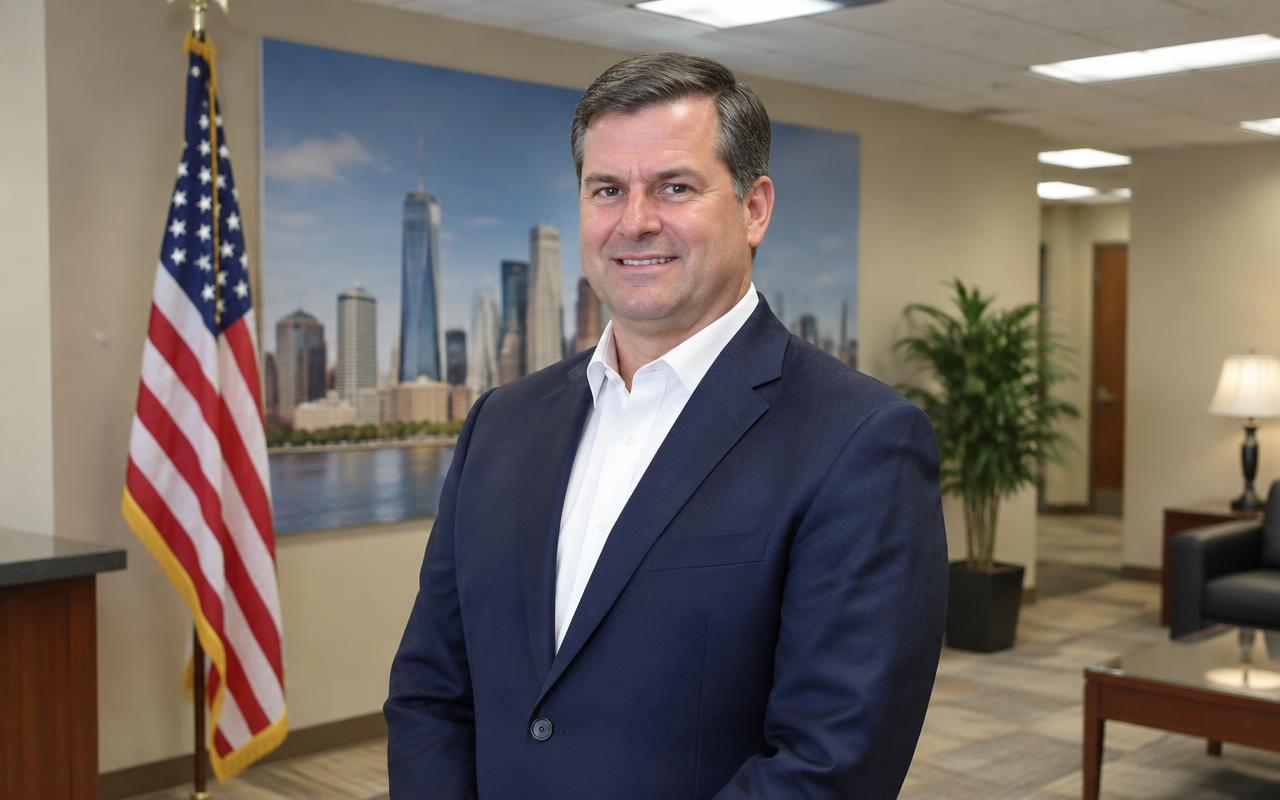

The post, uploaded Tuesday evening from the lobby of a large convention hotel somewhere near an airport, featured all the hallmarks of modern economic development thought-leadership content. The photo included a professionally-branded step-and-repeat backdrop, a conference badge carefully positioned for maximum visibility, and a smile industry analysts later described as “confident, yet collaborative.” The caption read: “Excited to connect with industry leaders and discuss the future of economic development,” followed by three hashtags, two handshake emojis, and a vague reference to “transformational conversations.”
At press time, the post had received 17 likes, one “celebrate” reaction from a workforce consultant in Nebraska, and a comment reading “Great seeing you!” from a utility representative the director reportedly met for approximately 14 seconds while waiting in line for coffee.
Sources close to the director say expectations for the post were initially high. Within the first six minutes of publishing, several coworkers engaged with the content, creating what the director later described as “strong early momentum.” According to internal analytics, he checked approximately every four minutes throughout the evening, impressions rose steadily before plateauing somewhere between “mildly noticed” and “completely ignored.”

Industry experts say conference-related LinkedIn content has become increasingly difficult to differentiate in recent years. Economic development professionals now compete for visibility in a crowded ecosystem dominated by ballroom panel discussions, keynote speaker photos taken from 400 feet away, and executives proudly announcing they are “excited for what’s ahead.”
“One challenge is that everyone’s post is essentially identical now,” explained social media consultant Ana Smith. “You’ve got the same conference lanyard, same hotel ballroom hall lighting, same cocktail networking event, same caption about collaboration. At a certain point, the algorithm simply cannot distinguish between one economic developer and another.”
The consultant noted that the director’s post included several phrases currently experiencing significant engagement fatigue, including “future-focused,” “valuable insights,” “honored to attend,” and “the future is bright.” Analysts believe the combined use of all four may have triggered what social media researchers call “immediate scroll velocity.”
The situation reportedly became more emotional Wednesday morning after the director discovered that a competing conference attendee had generated more than 2,346 likes with a post featuring a golden retriever wearing a hard hat near a speculative building site. The caption, “Our new Director of Barketing,” was widely praised as “refreshingly authentic” and “the exact content LinkedIn needs right now.”
Meanwhile, the director’s original post continued struggling to gain traction outside a highly-concentrated audience of chamber executives, utility providers, and one distracted site selector waiting for a delayed flight to Atlanta.
Friends say the director remained optimistic throughout the day, briefly considering whether the algorithm might simply be “taking time to find the right audience.” However, concerns escalated after a second post featuring a blurry escalator photo captioned “Economic development is always moving upward” significantly outperformed his original content within two hours.
Despite the setback, experts say the director’s experience reflects broader trends in economic development social media strategy, where professionals increasingly attempt to balance authenticity, thought leadership, networking visibility, and subtle conference bragging without appearing overly eager for engagement.
At press time, the director was reportedly drafting a follow-up post featuring a photo of his conference badge, a page of jotted notes, and the caption: “Still reflecting on the important discussions from this week.”
Sources confirm he remains hopeful.