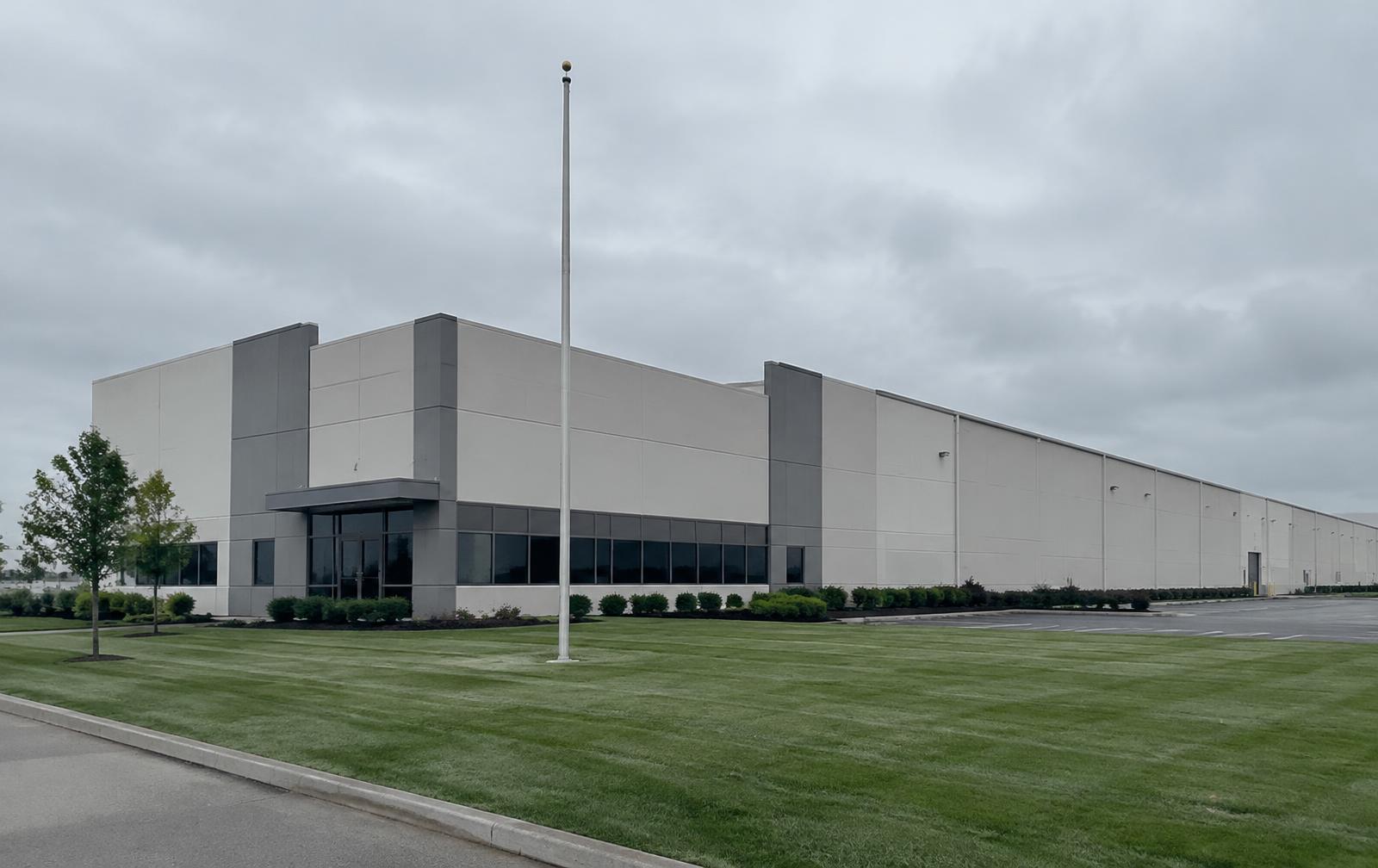
The building, vacant for nearly three years, had previously been described by the visiting team as “interesting,” “worth keeping on the list,” and “probably not our first choice.”
That assessment changed immediately after Pine Landing Economic Development Director Natalie Brooks mentioned that another company had toured the property the previous week.
“There was a noticeable shift,” Brooks said. “They went from asking whether the roof had been replaced to asking how quickly they could get it under control.”
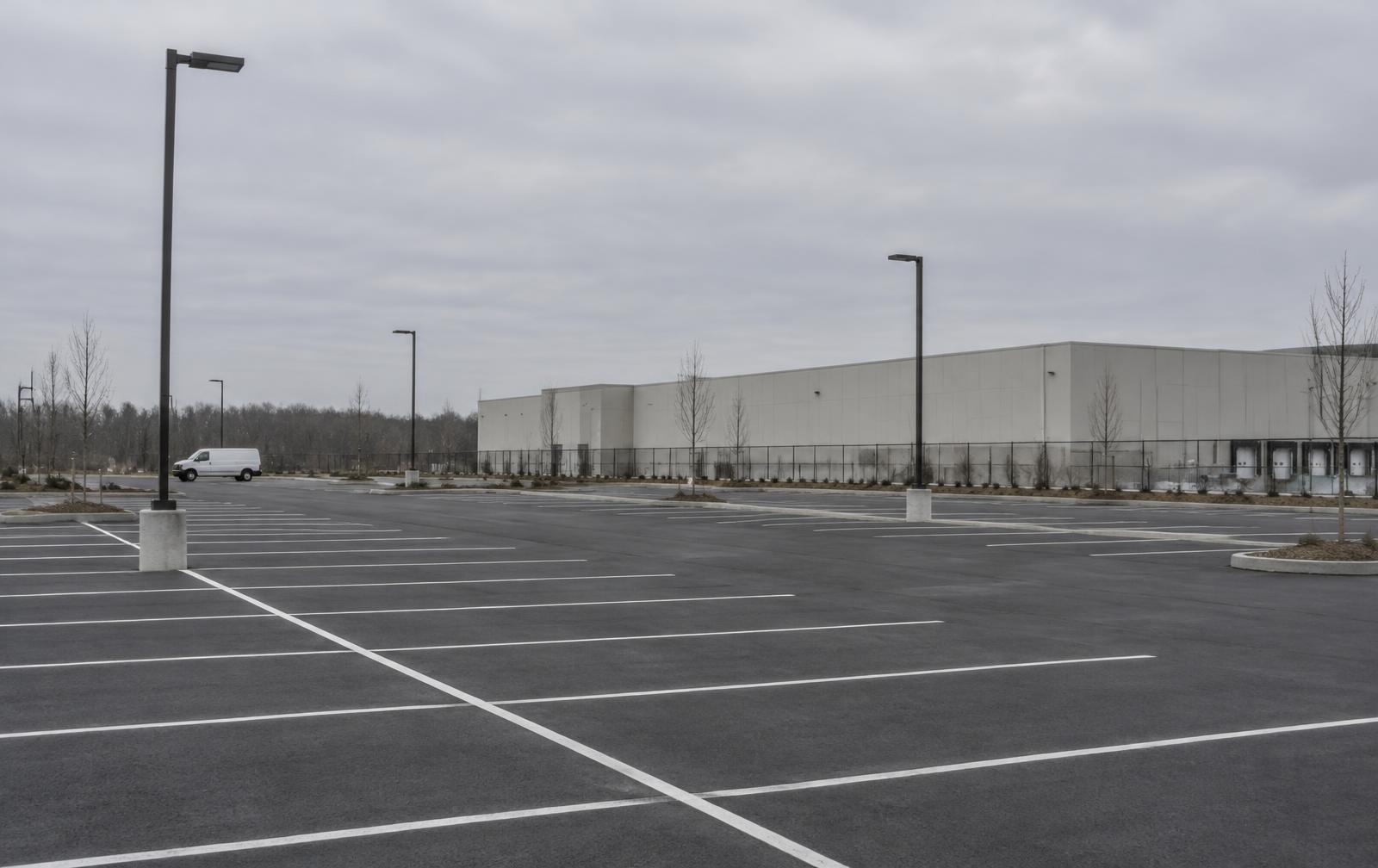
The property includes 10 acres, highway access, dock-high loading, 24-foot clear height, and an office area last updated during what officials believe was the late beige period.
During the first 40 minutes of the tour, project representatives expressed concerns about ceiling height, parking, electrical capacity, column spacing, and the general amount of brown carpet.
Then someone asked whether there had been any other interest.
Brooks answered honestly.
“Yes.”
The group became quiet.
Within minutes, representatives began revisiting several features they had previously identified as limitations.
The 24-foot clear height became “possibly workable.”
The parking became “probably sufficient.”
The office space was described as “something we could modernize.”
One consultant returned to photograph the loading area a second time.
“That was when we knew the building had improved,” Brooks said.
The prospect then asked a series of increasingly urgent questions, including whether the other company had submitted an offer, how serious the interest was, whether the owner would consider a letter of intent, and exactly when the other tour had occurred.
Officials declined to discuss the competing project in detail.
This appeared to make it more interesting.
“Confidentiality really helped,” Brooks said. “The less we could tell them, the more they wanted to know.”
The project team requested updated floor plans, utility information, property ownership details, recent roof inspections, environmental documentation, and confirmation that the building could be held temporarily while internal discussions continued.
Less than an hour earlier, the same team had asked whether Pine Landing had any other buildings to show them.
Economic development staff said this reaction is not unusual.
“An empty building is an empty building,” said regional site consultant Greg Fallon. “An empty building somebody else might want is an opportunity.”
Fallon described the phenomenon as one of the most reliable forces in industrial real estate.
“Companies want flexibility,” he said. “Right up until they discover someone else may have flexibility too.”
By late afternoon, the prospect had upgraded the property from “possible” to “strong consideration.”
The company also asked whether the building owner would be willing to delay discussions with the competing prospect.
The owner, who had spent the previous 31 months asking officials why nobody was interested in the building, reportedly found this development encouraging.
“He suddenly became much less interested in negotiating,” Brooks said.
Officials expect additional discussions this week.
Whether the second prospect remains interested is unclear.
Brooks said it may not matter.
“At this point,” she said, “the important thing is that the first prospect believes they are.”