
A comprehensive nationwide study released Monday found that 100 percent of American communities currently describe their quality of life as unmatched, exceptional, outstanding or otherwise unavailable anywhere else in the country.
Researchers said the finding held true across cities, counties, rural regions, suburbs, mountain towns, coastal communities and several places located more than 90 minutes from the nearest commercial airport.
“We expected some variation,” said lead researcher Dr. Alan Mercer. “Statistically, you would assume at least one community would describe its quality of life as pretty good.”

None did.
The study reviewed hundreds of economic development websites, relocation guides, community profiles and recruitment materials from across the United States.
Researchers found that nearly every location offered some combination of affordable living, excellent schools, abundant recreation, friendly neighborhoods, short commutes and a strong sense of community.
Many also featured a thriving downtown.
“We encountered an extraordinary number of thriving downtowns,” Mercer said. “Far more than current retail occupancy data would initially suggest.”
Quality-of-life claims were especially consistent on economic development websites, where communities routinely assured corporate decision-makers that employees would enjoy the perfect balance of career opportunity and personal fulfillment.
One community promised “big-city amenities with small-town charm.”
Another offered “small-town values with big-city amenities.”
A third provided “the best of both worlds.”
Researchers were unable to identify the two worlds.
The study also found that nearly every community was located near outdoor recreation, regardless of whether that recreation consisted of mountains, beaches, lakes, rivers, trails, parks, hunting, fishing or a paved walking path behind the municipal complex.
“Apparently no American is ever more than a few minutes from nature,” Mercer said.
Dining also emerged as a major competitive advantage.
Communities nationwide reported growing culinary scenes, locally owned restaurants and unique dining experiences, with breweries appearing at a rate researchers described as “economically significant.”
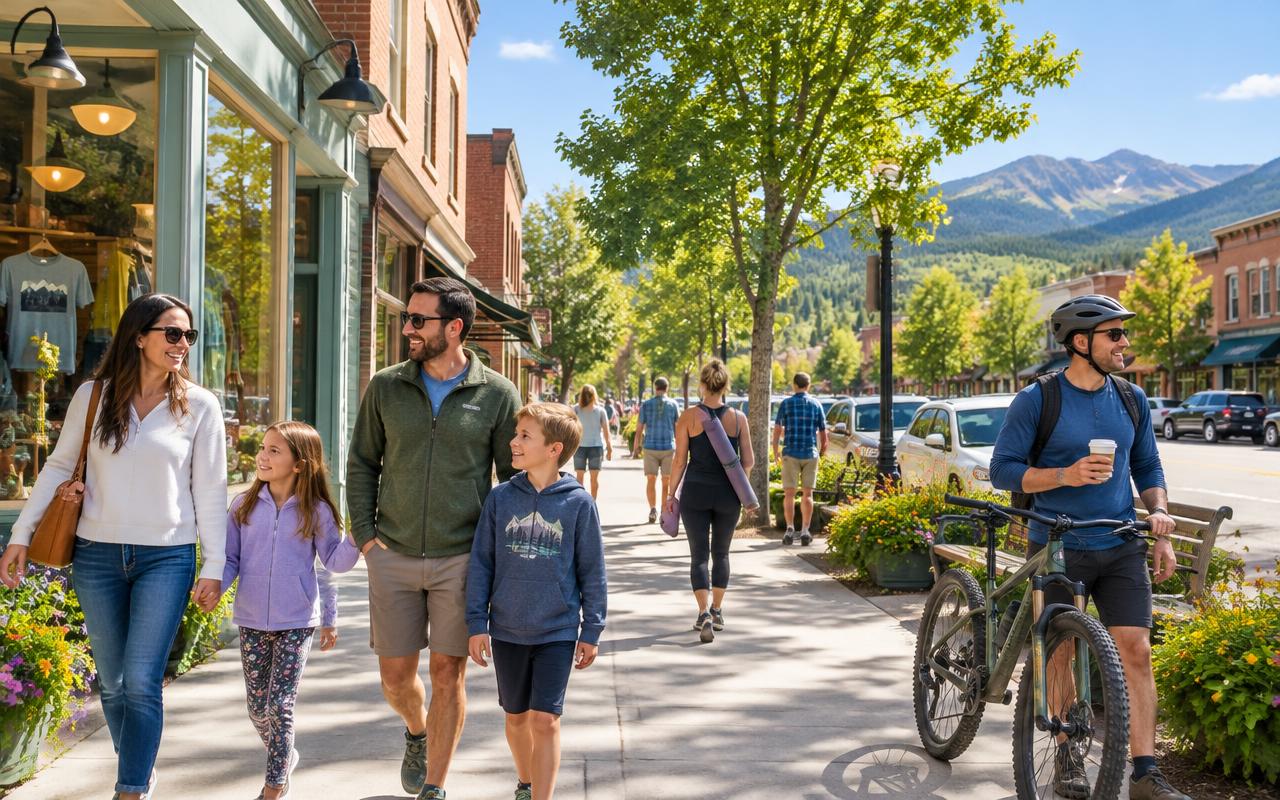
The report noted that quality-of-life sections frequently included images of families riding bicycles, couples drinking coffee outdoors, children playing in fountains and young professionals laughing together while holding beverages.
None of the photographed individuals appeared to be at work.
Researchers also identified widespread use of the phrase “a great place to live, work and play,” despite no evidence that competing communities had positioned themselves as good places to work but deeply unpleasant places to live.
Economic developers said the findings confirm what they have long believed.
“Our quality of life really is different,” said Cedar Grove Economic Development Director Rachel Simmons. “We have great schools, parks, restaurants, festivals and people who care about the community.”
Asked whether neighboring communities had similar amenities, Simmons acknowledged they did.
“But ours are here,” she said.
Researchers stressed that quality of life remains an important consideration in business location decisions, particularly as companies compete for talent.
The challenge, they said, is determining which qualities are actually distinctive.
“That will be the focus of our next study,” Mercer said.
“At the moment, everyone appears to have everything.”
At press time, Cedar Grove officials were updating their website to replace “unmatched quality of life” with “quality of life unlike anywhere else.”