Economic development officials said the request came near the end of a 90-minute property tour that had otherwise gone extremely well.
“They asked for our strongest site, so we showed them our strongest site,” said Summit Grove Economic Development Director Rachel Boone. “Then they asked to see our second-best site, which introduced a number of philosophical questions.”
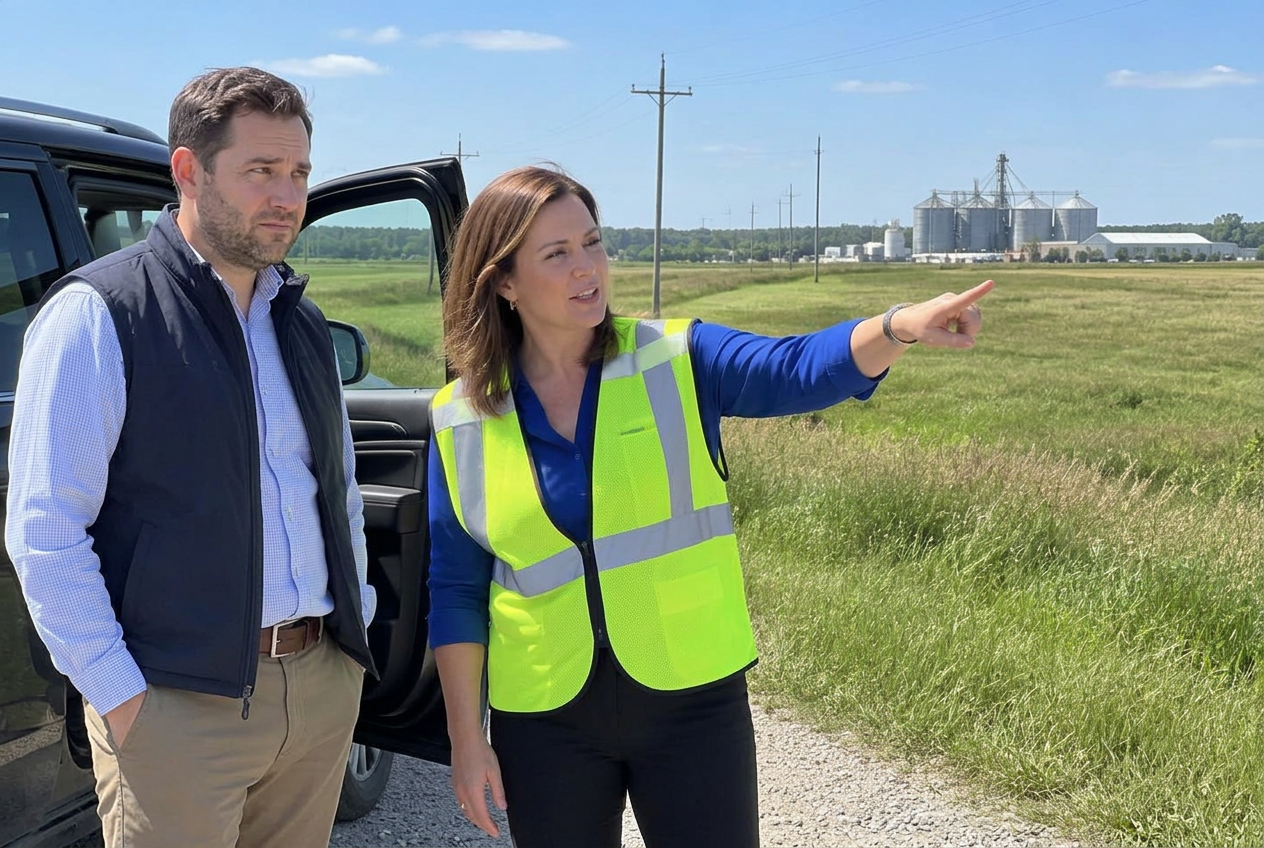
The first property, known as Commerce Ridge, offers 240 developable acres, interstate visibility, nearby utilities, rail access, completed environmental work and a motivated property owner who had been specifically instructed not to become less motivated during the visit.
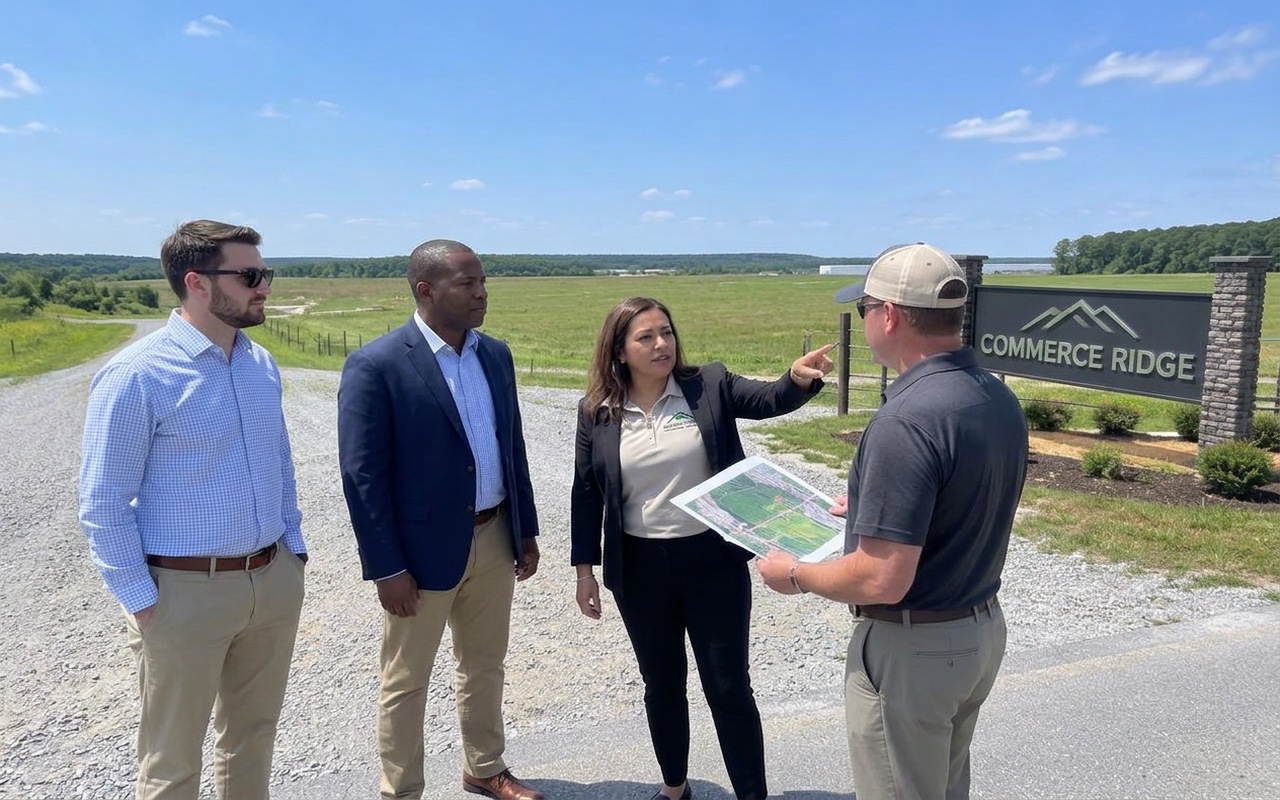
Project representatives appeared impressed.
They took photographs.
They asked detailed questions.
One consultant nodded several times.
Then came the question.
“What else do you have?”
Boone said the team initially assumed the prospect was asking about expansion acreage.
They were not.
“They wanted to know if we had another site that was also excellent, but excellent in a different and possibly more excellent way,” she said.
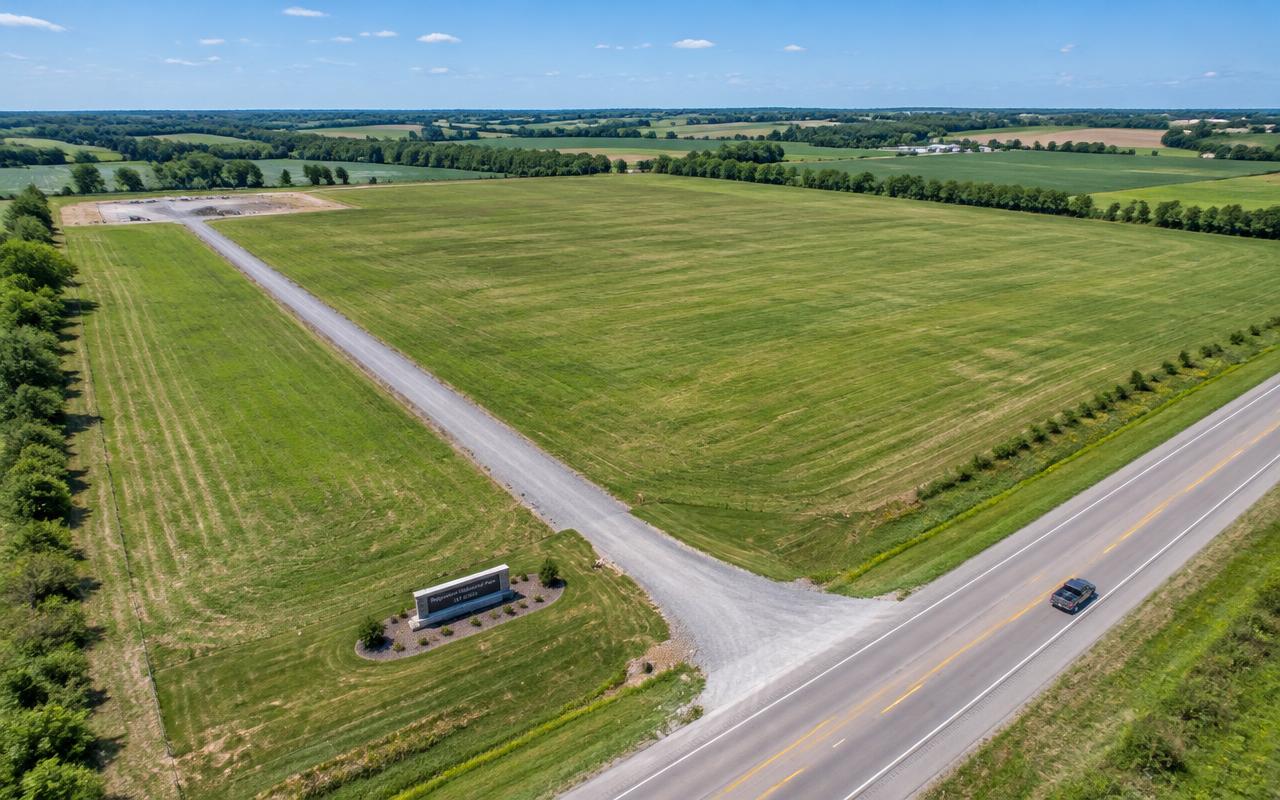
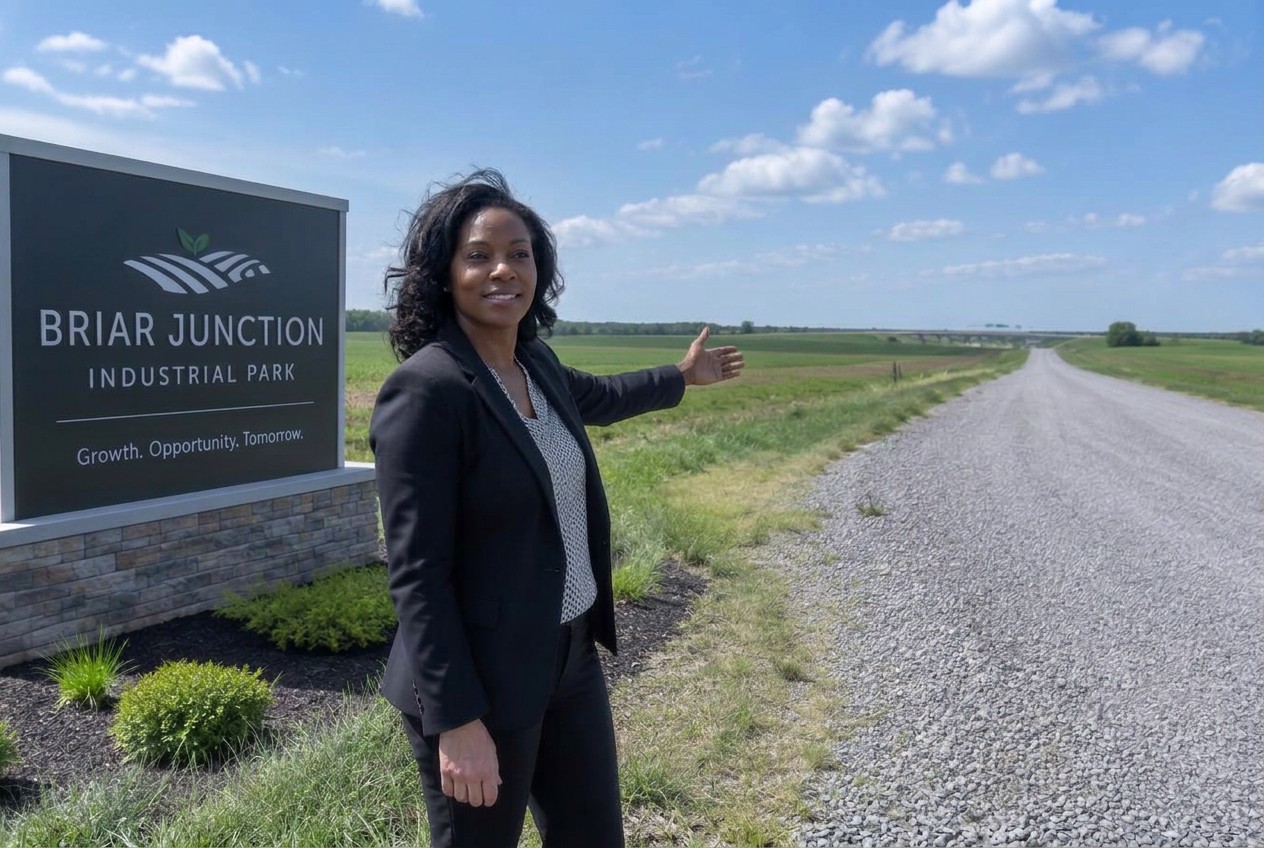
Officials then proceeded to the community’s second-best site, a 175-acre property located approximately nine minutes away.
The site is also considered highly competitive, although Boone acknowledged that describing it immediately after repeatedly calling Commerce Ridge “our premier industrial location” created some messaging challenges.
“We shifted quickly,” she said. “Commerce Ridge became our premier large-acreage site, while this became our premier strategically positioned site.”
The prospect accepted the distinction.
During the second tour, company representatives asked why they had not been shown that property first.
Boone said staff explained that they had specifically requested the best site.
“That seemed to create additional interest,” she said.
The delegation then asked whether there was a third site.
There was.
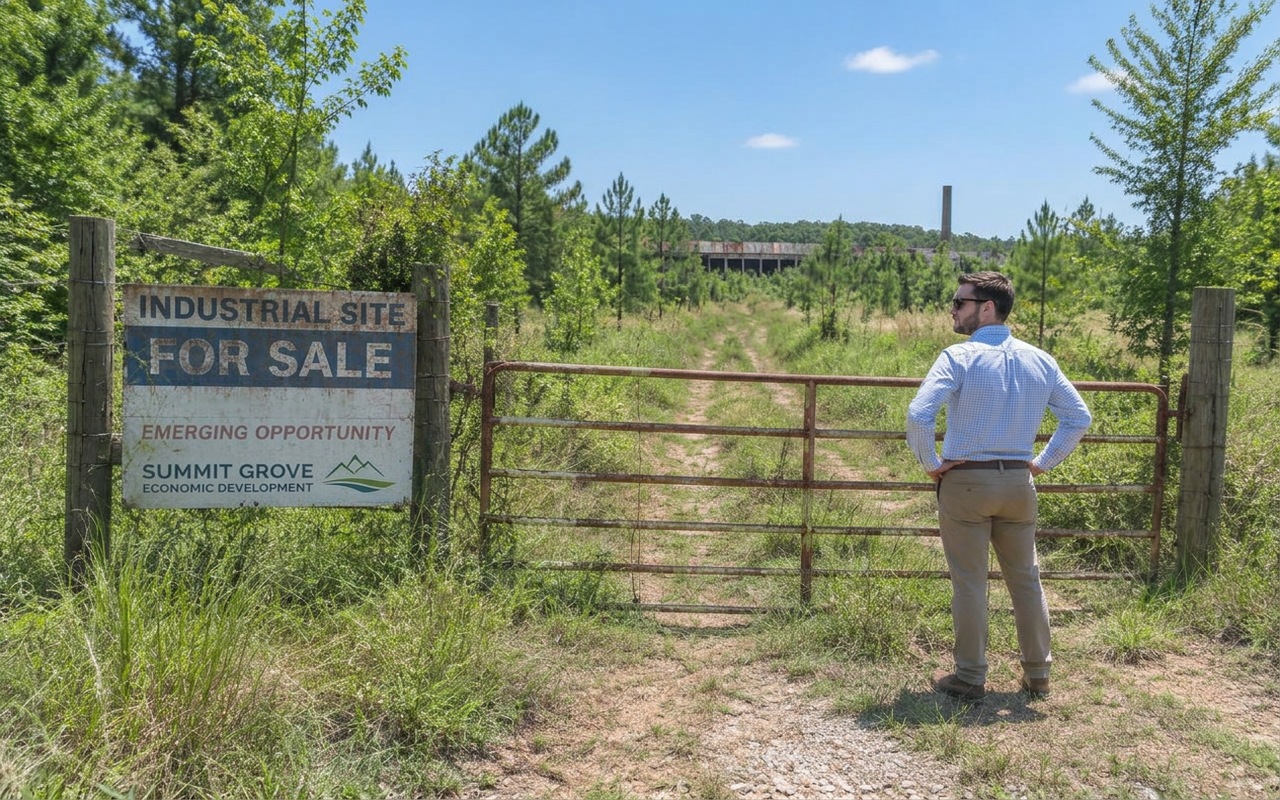
Officials described the third property as an “emerging opportunity,” language generally reserved for land requiring several additional conversations.
The site lacked some of the infrastructure available at the first two properties but offered what officials characterized as “long-term flexibility.”
Project representatives spent 35 minutes there.
They then asked to return to the first site.
By late afternoon, the prospect had toured all three properties, revisited two of them, requested additional information on four parcels not originally included in the visit, and asked whether any private landowners nearby might consider selling if approached carefully.
Boone said the process was encouraging.
“When a company keeps asking to see more, that can be a very good sign,” she said. “It can also mean they have not liked anything yet. We are choosing the first interpretation.”
Before departing, the site selector thanked officials for the tour and said the community had presented several strong options.
The team would now compare them against a number of competing locations.
Boone asked whether those communities also had multiple sites under consideration.
The consultant smiled.
“They all showed us their best one.”