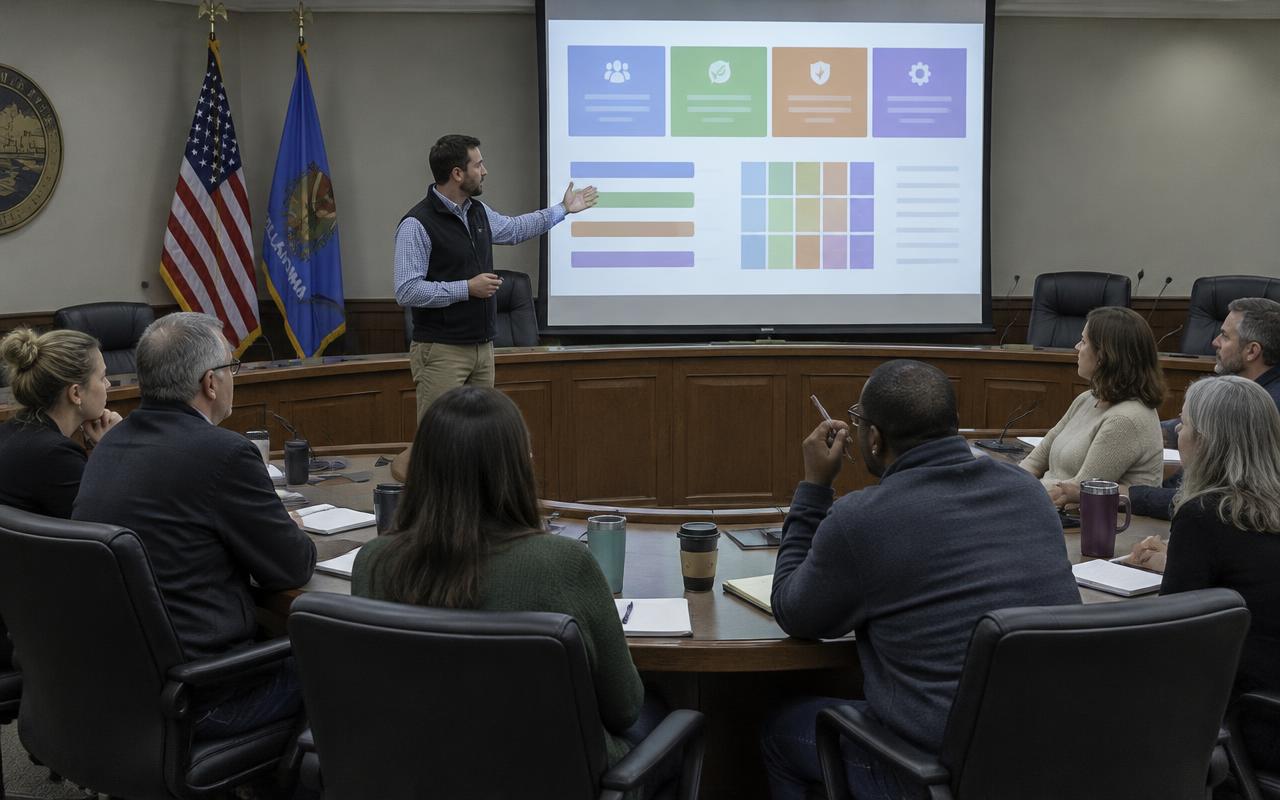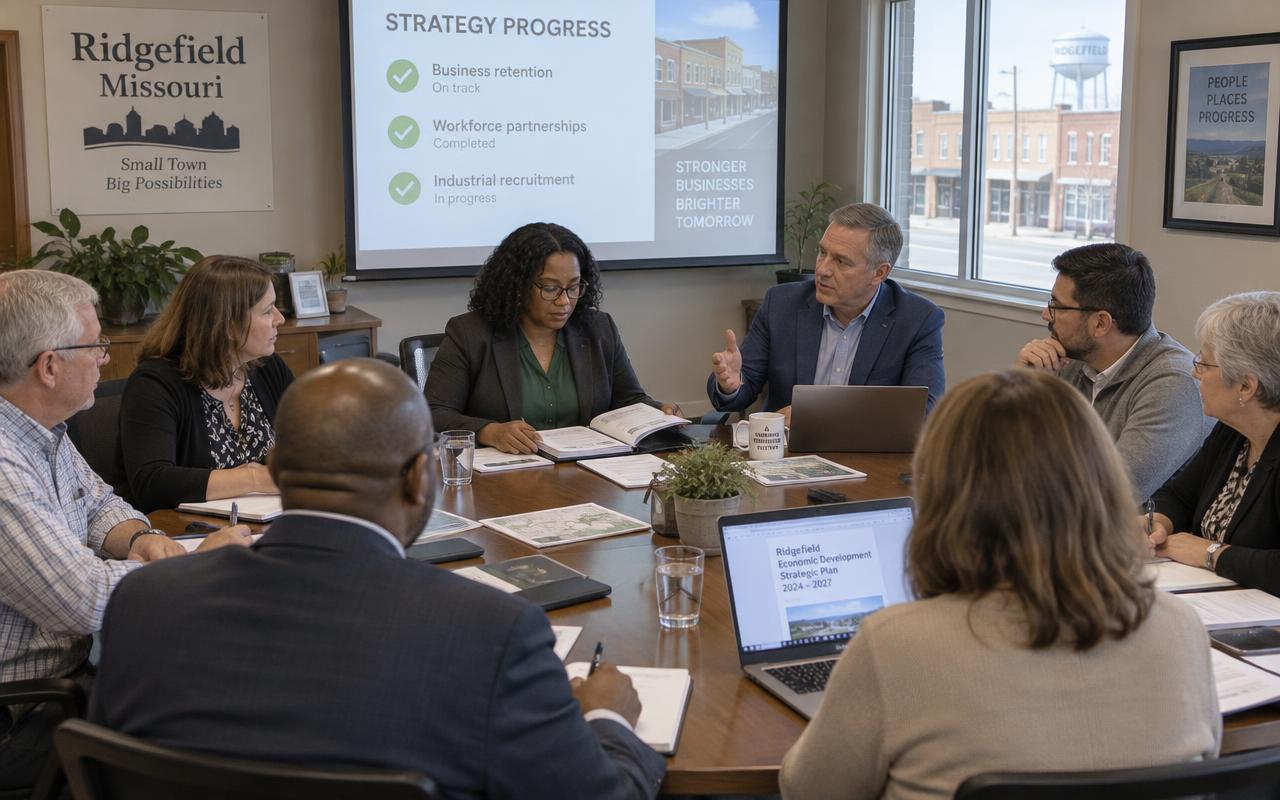
The announcement came during a Monday press conference held beside the town’s only traffic signal, where local leaders unveiled an ambitious new economic development initiative titled: “Positioned for Global Distribution.”
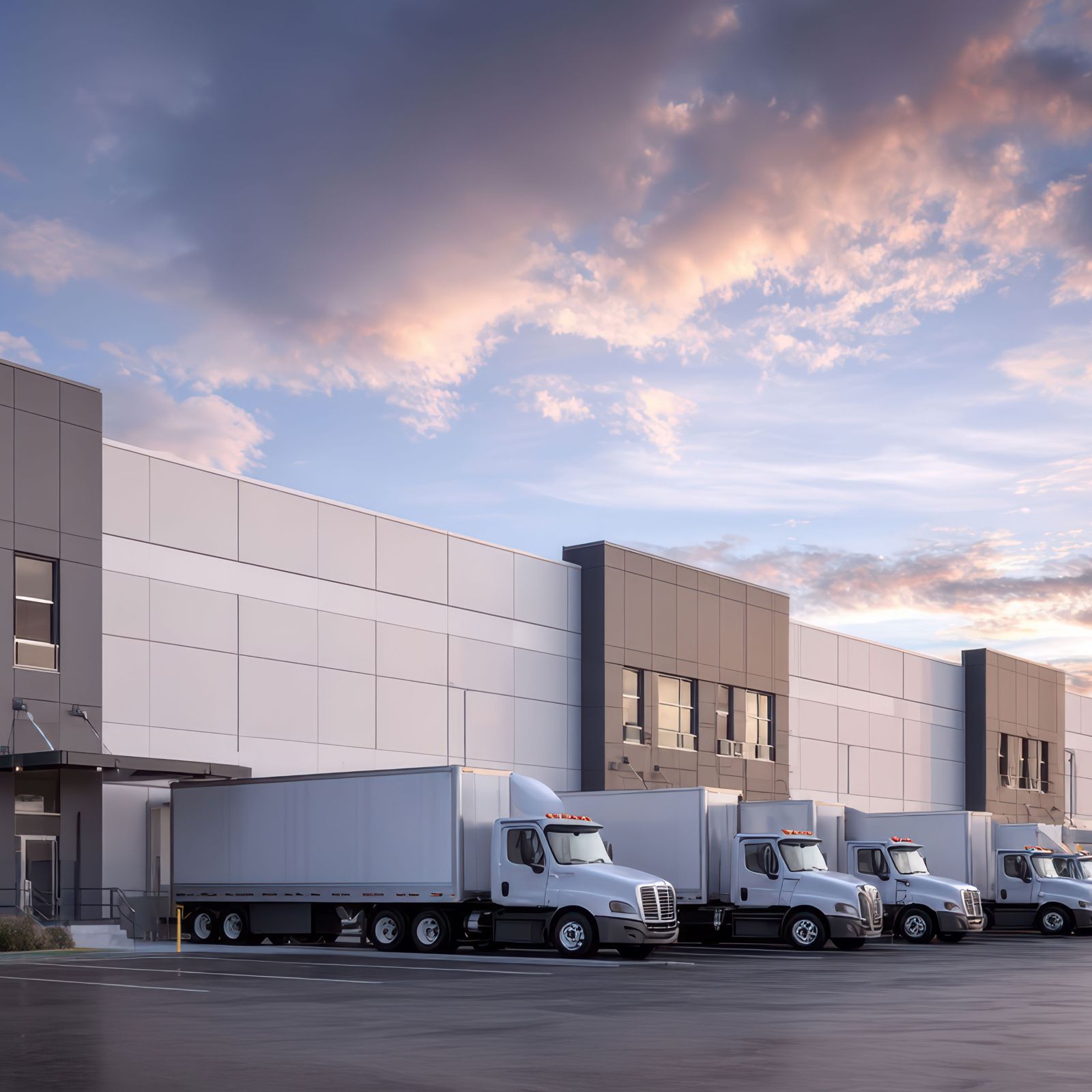
The plan outlines the community’s vision to become a leading center for supply chain operations, advanced warehousing, regional fulfillment activity, and “next-generation movement ecosystems,” though specific details regarding how products would physically arrive or depart were described as “still evolving.”
While local officials publicly expressed confidence in the strategy, sources close to the community’s economic development office confirmed the organization’s executive director initially had reservations about pursuing a logistics-focused recruitment campaign.

“She tried very carefully to explain that most logistics hubs tend to benefit from things like interstate access and rail,” said one staff member familiar with the discussions. “Unfortunately, the board got extremely excited after attending a conference breakout session called ‘The Future of Supply Chain Infrastructure.’”
According to meeting attendees, momentum behind the initiative accelerated after one board member, described by colleagues as “really into trucks,” became convinced the community was uniquely positioned for large-scale distribution activity.
“He watches a lot of logistics videos on YouTube,” one attendee explained. “At one point he referred to the bypass road near town as ‘an emerging freight corridor.’”
The community’s economic development director reportedly attempted to redirect the conversation toward more realistic target industries, including small-scale manufacturing and regional business recruitment. However, board enthusiasm would not seem to waiver, even with the use of logic.
Mayor Randall Rice formally announced the initiative during the press event while standing in front of a conceptual rendering featuring multiple semi-trucks, a cargo aircraft, and what appeared to be a suspiciously optimistic amount of container activity.
“We believe strongly in our logistics future,” Rice told attendees.
Witnesses later confirmed no actual semi-trucks passed through the community during the 47-minute announcement.
Economic development leaders supporting the initiative pointed to several moderate advantages, including:
workforce
quality of life
“business-friendly climate”
and a location roughly three hours from somewhere with actual logistics infrastructure.
“We’re strategically positioned,” explained the economic development director during the presentation, delivering the phrase with what observers described as “visible emotional exhaustion.”
Industry analysts say the strategy reflects a growing national trend in which communities increasingly pursue logistics recruitment regardless of infrastructure realities, largely because distribution centers are large, visually impressive, and tend to look excellent in drone footage.
“Every community wants to be a logistics hub now,” explained site selection consultant David Jackson. “The challenge is that logistics traditionally depends on transportation.”
Rice then paused briefly before adding: “That said, confidence has become a major economic development asset.”
The initiative’s long-term strategy reportedly includes:
pursuing future highway improvements
exploring rail feasibility
enhancing freight readiness
and “continuing conversations with stakeholders.”
At press time, the community’s economic development director was reportedly preparing a follow-up presentation titled: “Why We Should Maybe Also Recruit Companies That Don’t Require Intermodal Connectivity.”