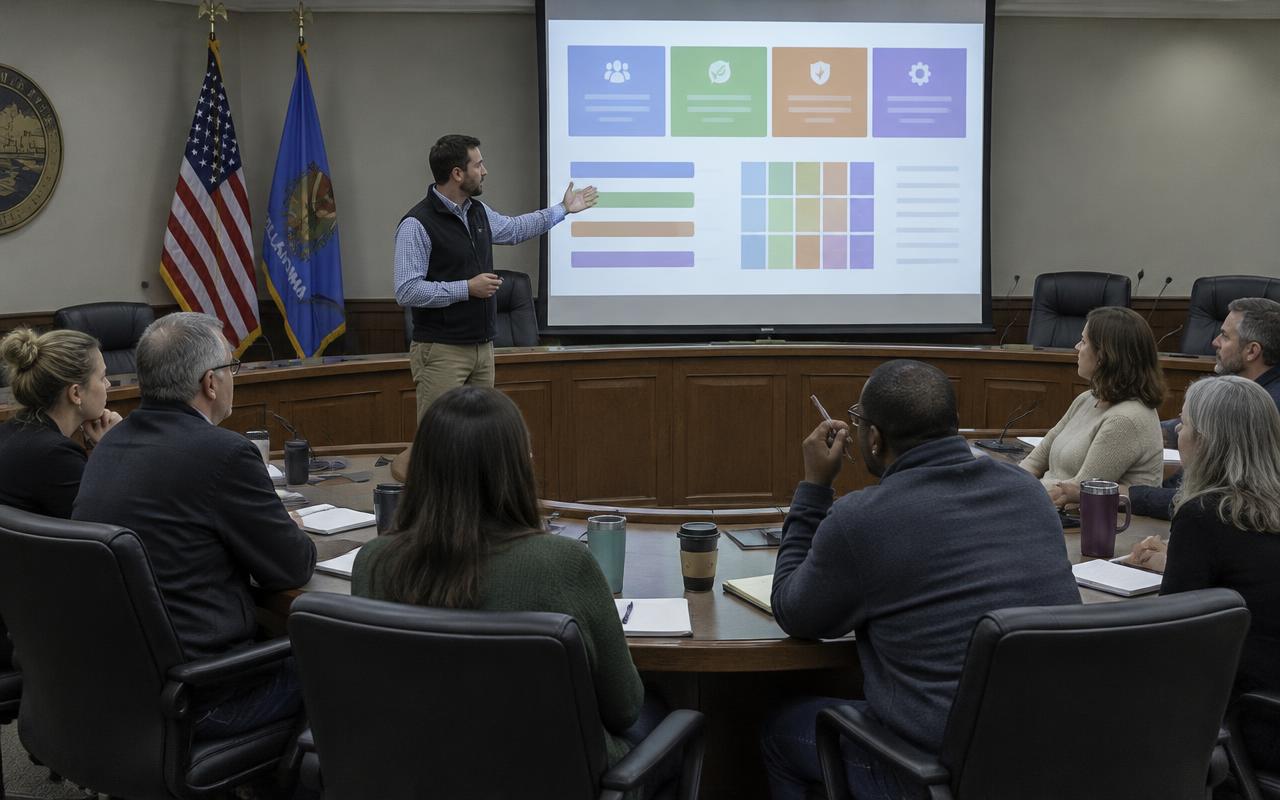
The decision followed a 47-minute discussion led by the Governance Committee, which had previously recommended that the Executive Committee consider establishing a temporary review committee to assess the effectiveness, purpose, membership, meeting frequency, and continued necessity of the organization’s existing committees.
Board Chair Linda Mercer said the new Committee Evaluation Committee will provide an important opportunity to step back and take a comprehensive look at how the Partnership uses committees.
“We have reached a point where there was some concern that we may be forming committees too quickly,” Mercer said. “So we felt the responsible thing to do was form a committee.”
The organization currently maintains nine standing committees, four advisory committees, two task forces, one working group, and a steering committee created last year to determine whether the Workforce Committee should become a task force.
That matter remains pending.
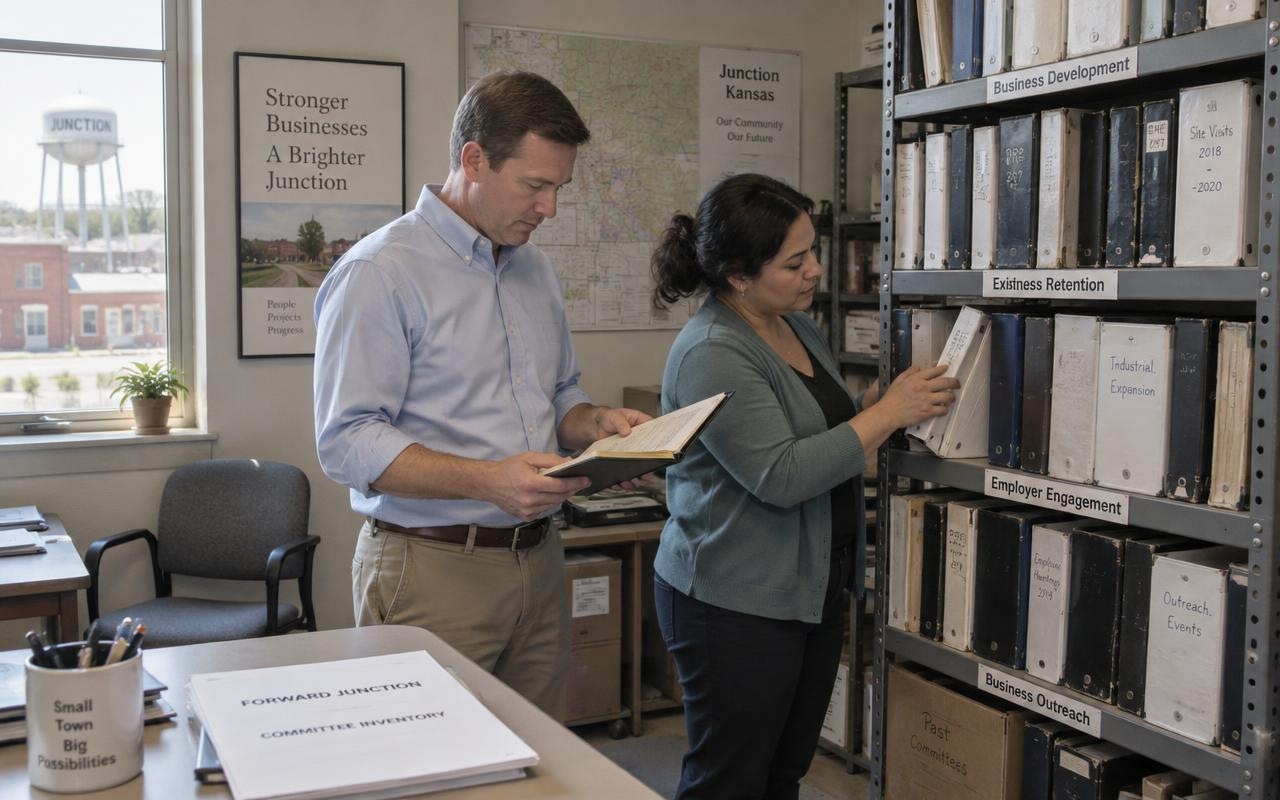
According to staff, the newly formed committee will begin by inventorying all existing committees, identifying their original purpose, determining whether that purpose still exists, and locating the most recent meeting minutes.
Officials expect the last item to take the longest.
“We know some of these committees are active because people continue receiving calendar invitations,” said Partnership President Mark Ellison. “Beyond that, we’re gathering information.”
The review will also examine potential overlap between the Business Development Committee, Business Retention Committee, Existing Industry Committee, Employer Engagement Committee, and a recently established Business Outreach Task Force.
Ellison acknowledged that all five appear to involve talking to businesses.
“The distinctions are subtle,” he said.
Board members emphasized that the new committee will not have authority to eliminate any committee directly.
Instead, it will make recommendations to the Executive Committee, which may refer those recommendations to the Governance Committee for further review before bringing them to the full board.
“This is not something we want to rush,” Mercer said.
The Committee Evaluation Committee is expected to include representatives from several existing committees to ensure adequate committee representation during the committee review process.
At least one board member questioned whether this could create a conflict of interest.
That concern was referred to the Governance Committee.
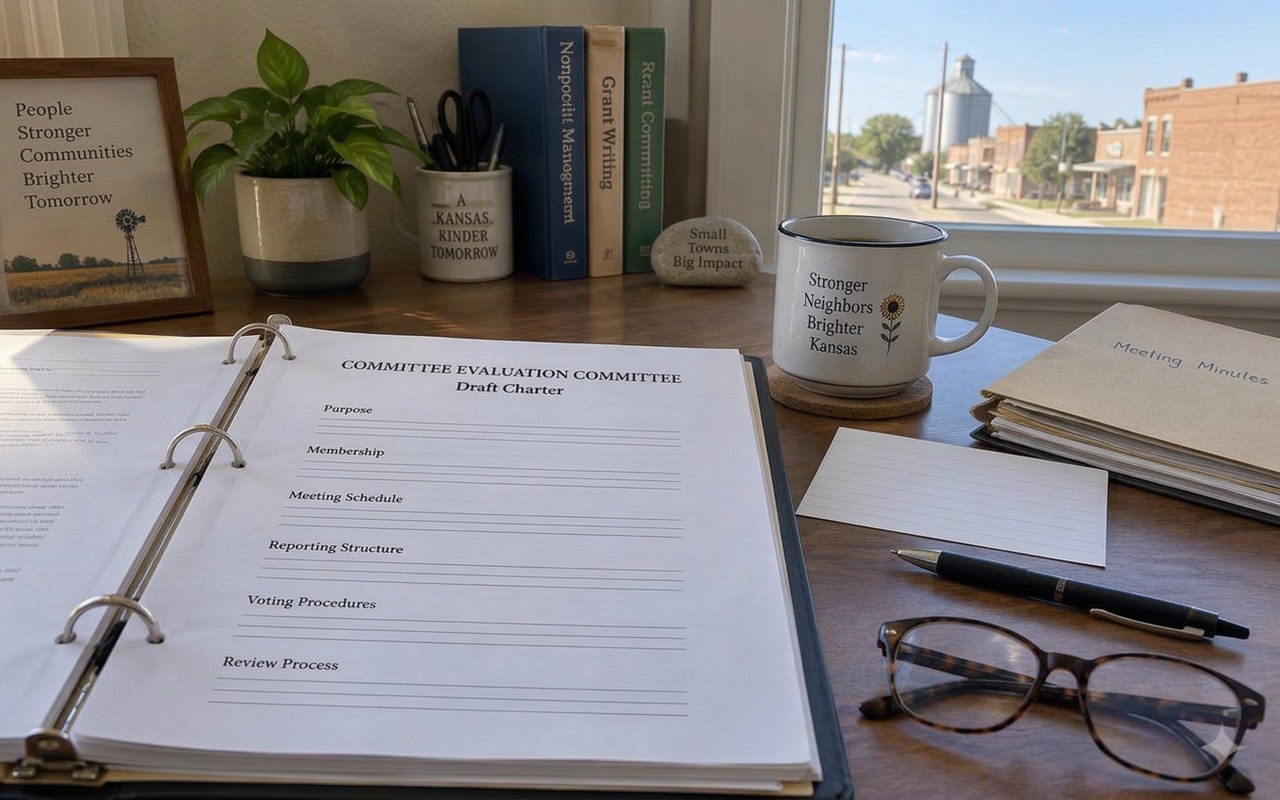
The group’s first assignment will be developing a committee charter outlining the committee’s purpose, scope, meeting schedule, reporting structure, membership requirements, voting procedures, and process for evaluating committees.
A subcommittee may be required.
Officials hope to complete the review within six to nine months, although that timeline could change depending on scheduling availability among committee members, several of whom already serve on multiple committees.
Once the process is complete, the Partnership expects to emerge with a simpler, more efficient governance structure.
Preliminary discussions have already begun regarding the creation of an Implementation Committee to oversee the recommendations.