
A newly released workforce study has confirmed what many local leaders have quietly suspected for years: nearly everyone in the community is interested in a job, career, or training opportunity that is almost entirely unrelated to the jobs that are actually available.
The 147-page report, commissioned by the Regional Talent Alignment Task Force and printed in full color “so people would know it was serious,” found a significant disconnect between employer needs, student interests, parental expectations, educational programming, wage realities, and the jobs people describe as “good jobs” while pointing vaguely toward a coffee shop with exposed brick.
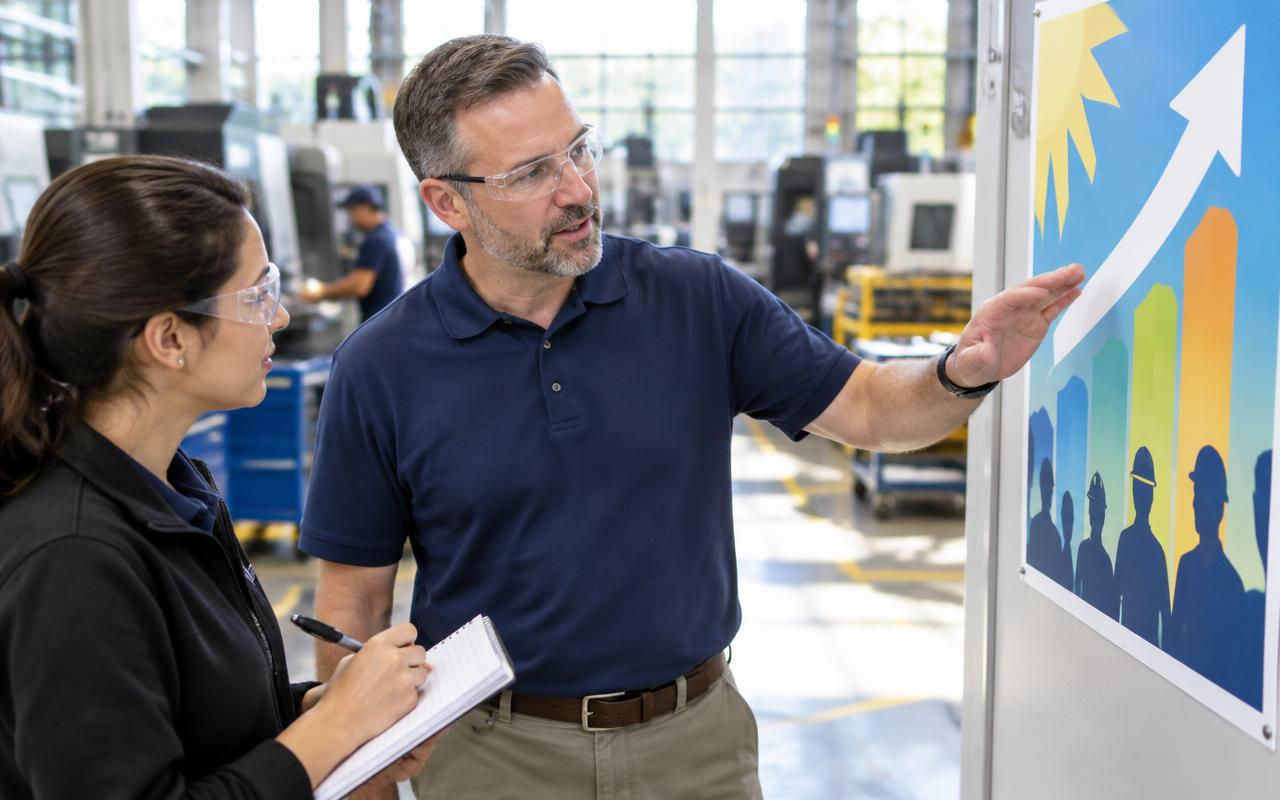
According to the study, local employers are urgently seeking welders, CNC operators, diesel mechanics, CDL drivers, industrial maintenance technicians, nurses, electricians, machinists, logistics supervisors, and anyone willing to show up on time three days in a row.

Students, meanwhile, expressed strong interest in careers involving flexible schedules, creative expression, remote work, brand partnerships, “something with media,” and entrepreneurship that does not involve invoicing, sales, bookkeeping, risk, taxes, or customers.
“This is exactly why we needed the study,” said task force chair Melissa Granger, placing six sticky notes on a wall already covered in sticky notes from the previous workforce study. “We always knew there was a gap. We just needed a professionally designed PDF to help us understand the gap had margins, charts, and a table of contents.”
The study found that 78 percent of employers believe the region’s greatest workforce need is technical talent, while 82 percent of high school students believe the region’s greatest workforce opportunity is “something in Nashville, Austin, Atlanta, or maybe remote.”
Parents also contributed to the misalignment, with many saying they want their children to find stable, high-paying local careers, provided those careers do not involve steel-toed boots, second shifts, commercial vehicles, manufacturing floors, healthcare settings, or anything that sounds “too blue collar.”
“We fully support the trades,” said local parent Daniel Mercer. “We just assumed they were for someone else’s child who is good with their hands and possibly already owns a Carhartt jacket.”
Economic development officials said the study confirms that the community must do more to promote the careers that already exist locally, especially those that pay well, offer advancement, and have actual openings rather than “future possibilities if funding is identified.”
“We have companies here offering strong wages, benefits, training, and career ladders,” said Economic Development Director Carla Benson. “Unfortunately, many people still believe a good job is either a downtown office with plants in the lobby or a laptop job where they occasionally say ‘circle back’ from a rental house in Montana.”
The report also found that several employers are seeking applicants with 10 years of experience in technologies that were introduced during the previous budget cycle.
“We’re not asking for much,” said one manufacturing executive. Just a 24-year-old master technician with leadership experience, perfect attendance, advanced robotics knowledge, a CDL, basic welding ability, and a deep personal passion for our third-shift production schedule.”
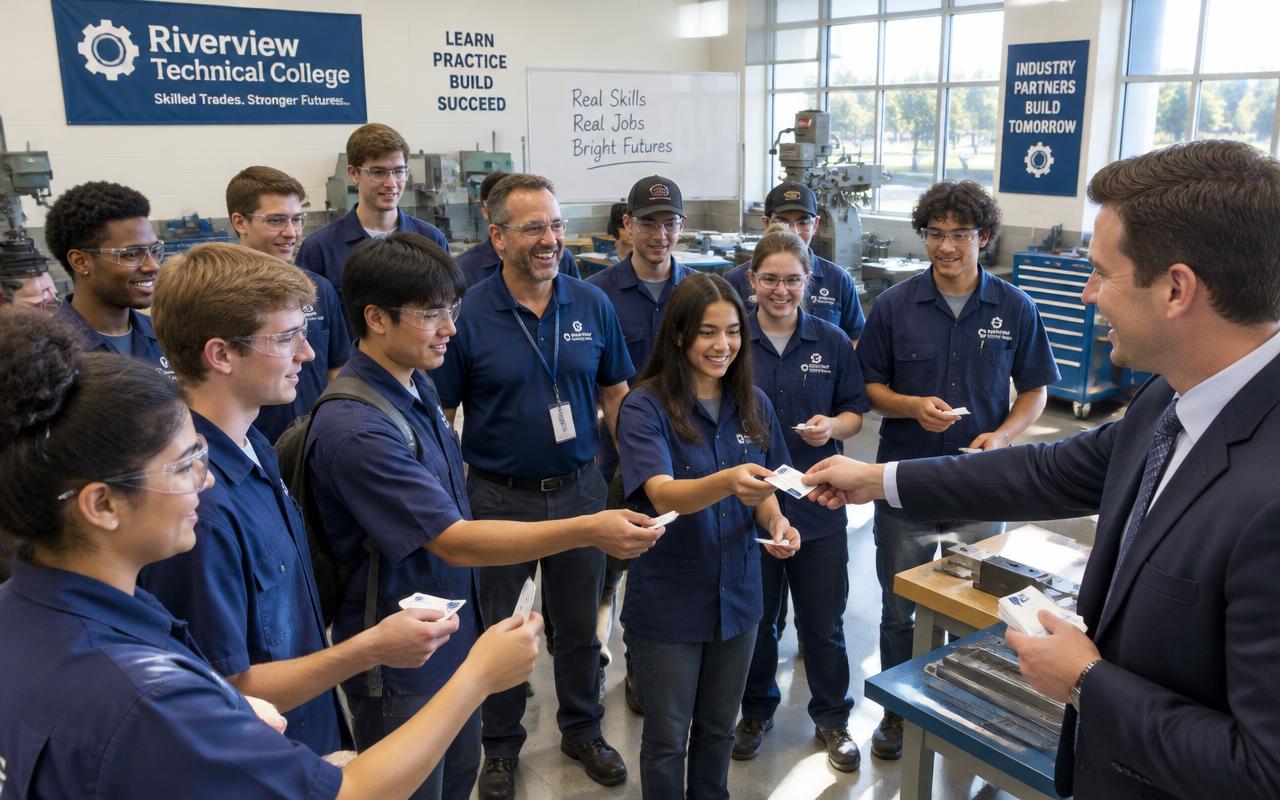
Local educators said they are working hard to align classroom programs with industry demand but noted that it can be challenging when students, employers, parents, colleges, and workforce boards are all moving in different directions while using the same word: “pipeline.”
“Everyone wants a pipeline,” said Dr. Janet Cross, vice president of workforce initiatives at the community college. “But employers want it to be full of job-ready workers, parents want it to lead to college, students want it to lead somewhere with better restaurants, and elected officials want to cut the ribbon on it.”
The study recommended several immediate actions, including expanding career awareness, strengthening employer-school partnerships, improving soft skills, promoting technical education, increasing wages where possible, better explaining local career opportunities, and forming a new committee to review the recommendations of the study before requesting a shorter version of the study.
City Council Member Ron Pritchard praised the findings and said the community must take bold action.
“This report makes clear that we need to prepare our young people for the jobs of the future,” Pritchard said. “Specifically, the jobs of the future that are already here, have been here for 30 years, and are currently hiring with a $500 signing bonus.”
The study concluded that no single organization can solve the workforce challenge alone, though several organizations have already begun drafting press releases strongly implying that they can.