Piedmont Motion Systems, which announced a major expansion two years ago, credited local schools, the technical college and regional workforce partners for helping the company fill hundreds of production, maintenance and engineering positions.
“This community has done an outstanding job building a workforce pipeline,” said Plant Manager Rick Donnelly. “We’ve been able to hire skilled people at every level.”
Local officials applauded.
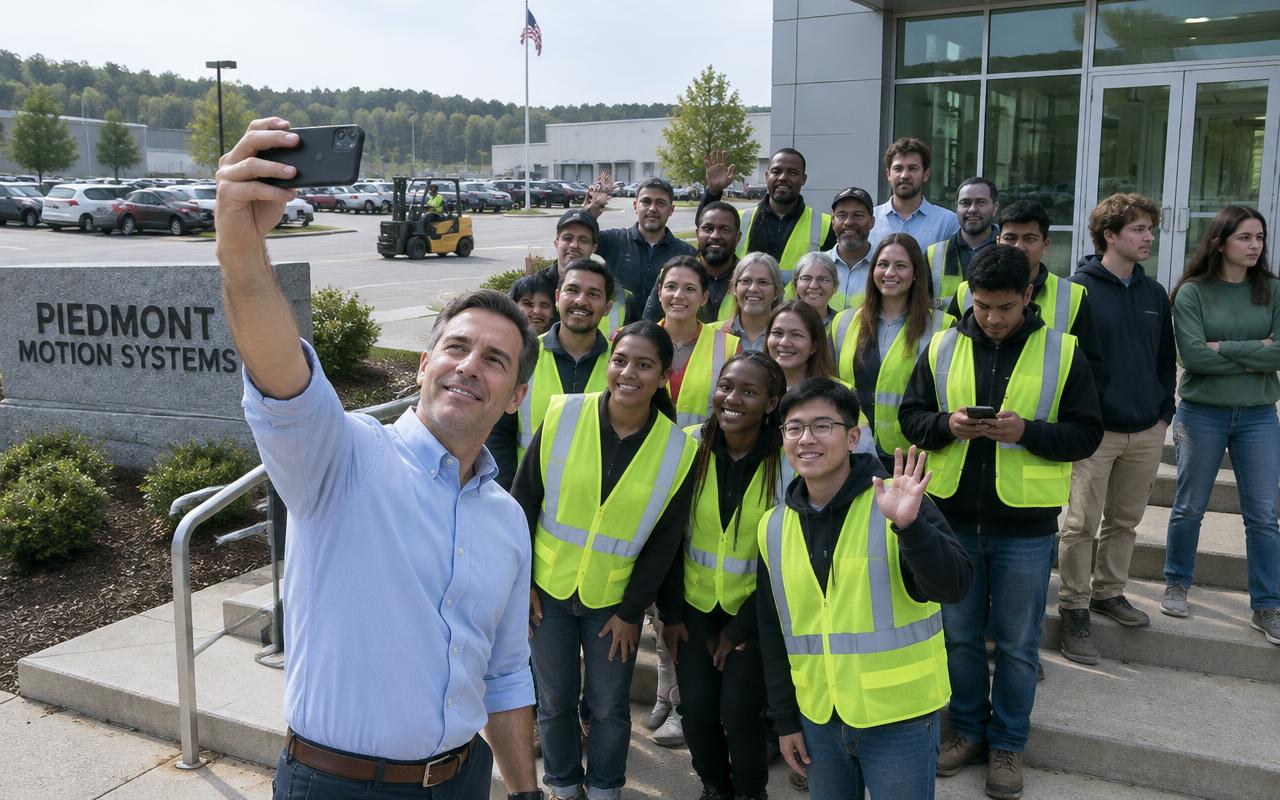
Then several smaller employers quietly asked whether any of those people were still available.
According to workforce data, Piedmont Motion Systems has hired 428 employees over the past 18 months, including 63 recent technical college graduates, 41 industrial maintenance workers and what one local employer described as “basically every machinist under 40.”
“They didn’t just use the pipeline,” said Precision Tool President Carla Reeves. “They installed a pump.”
Reeves said her company strongly supports Piedmont Motion Systems and believes the expansion is good for the region.
She would also like two of her maintenance technicians back.
The region’s workforce strategy had long emphasized creating a steady flow of skilled workers into advanced manufacturing.
The system appeared to work exactly as designed.
That has become the problem.
“We spent years building these career pathways,” said Workforce Development Director Marcus Dean. “Then one really good company showed up and walked down all of them.”
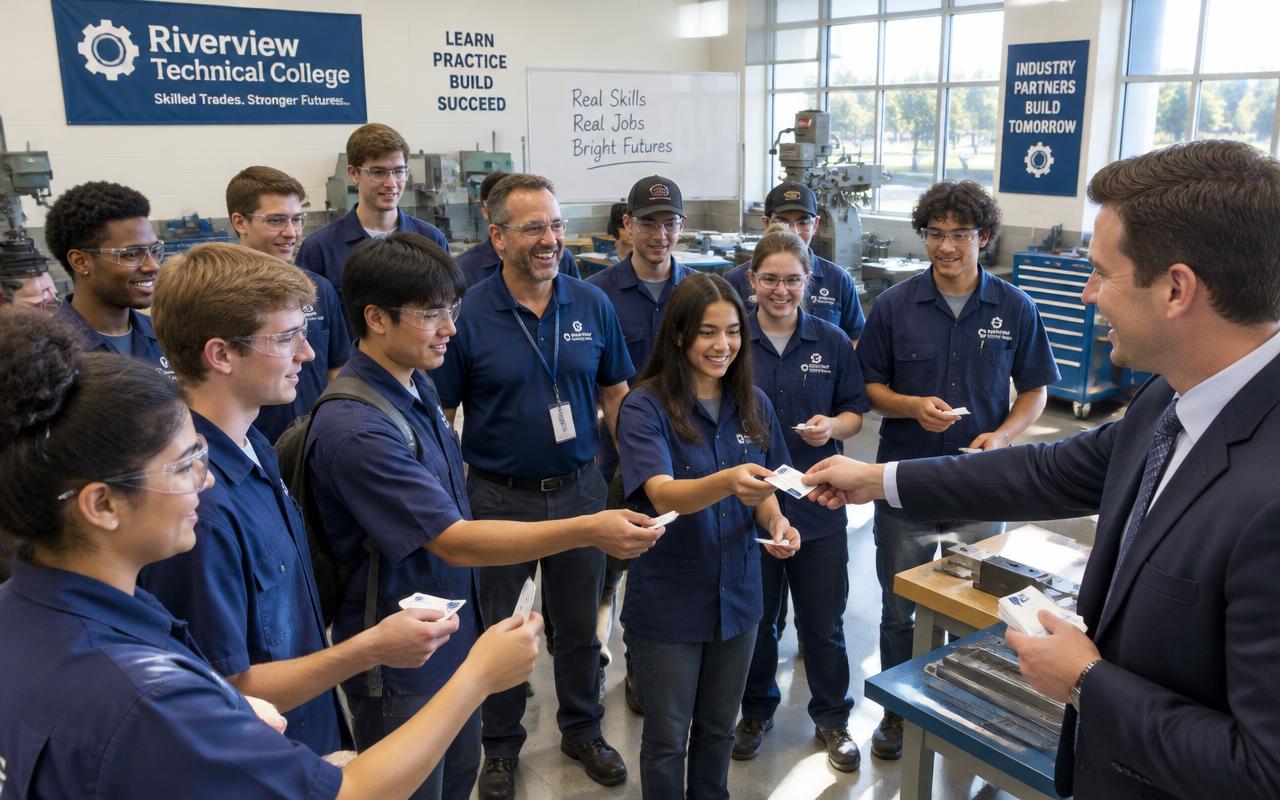
The local technical college has become the centerpiece of the talent effort, expanding programs in mechatronics, welding, machining and industrial maintenance.
President Andrea Lewis said employers were thrilled with the college’s graduates.
“Very thrilled,” she said. “Possibly too thrilled.”
This spring, 27 students completed the college’s industrial maintenance program.
Twenty-three accepted positions with Piedmont Motion Systems.
Two accepted jobs with another large manufacturer.
One moved out of state.
The remaining graduate is reportedly being contacted by nine companies.
“We’re very proud of him,” Lewis said. “We’ve also stopped publishing his phone number.”
Piedmont Motion Systems says it is simply hiring the people it needs.
“We didn’t create the labor shortage,” Donnelly said. “We’re offering strong careers and competitive wages.”
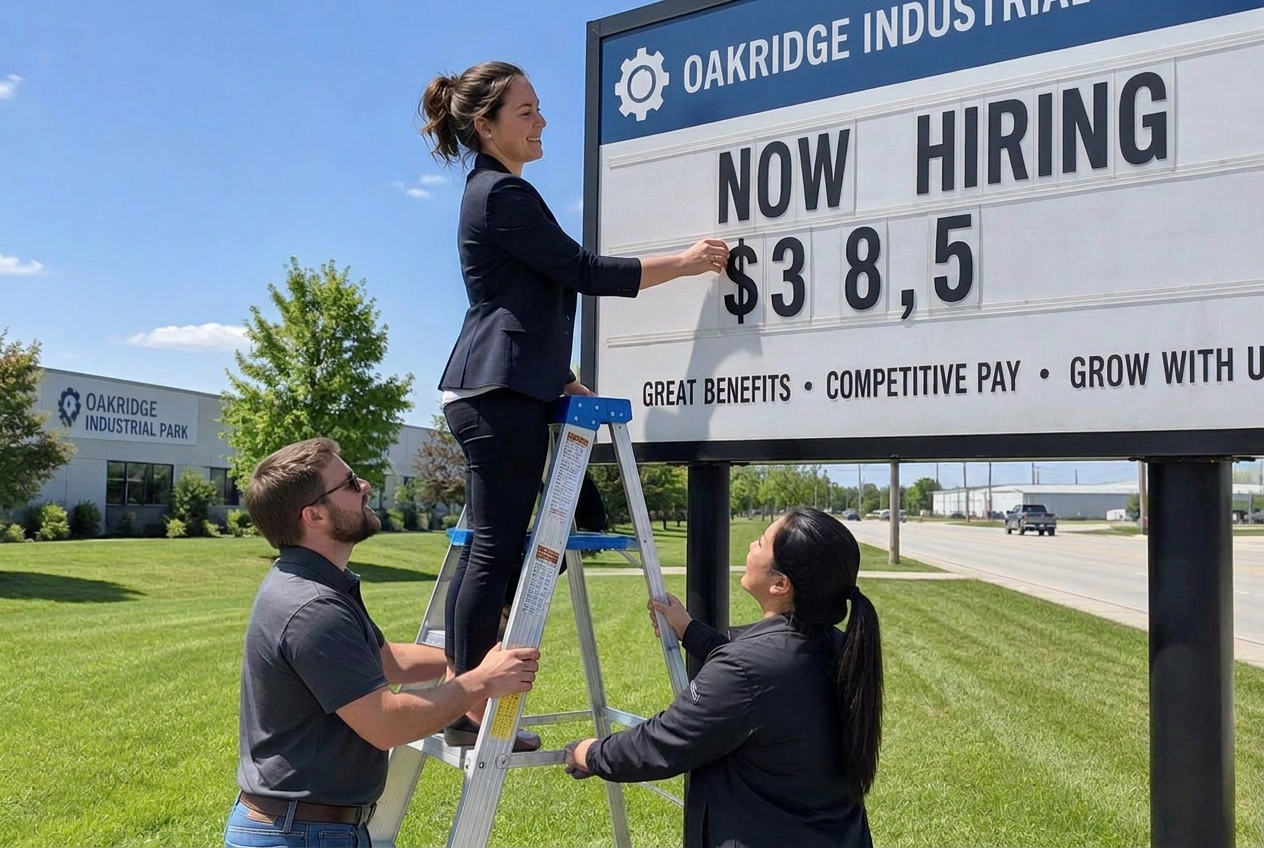
He then announced plans to hire another 175 employees next year.
Several employers attending the announcement were seen visibly adjusting in their chairs.
Regional leaders insist the company’s success proves the workforce development system is effective.
Economic Development Director Lauren Wade said the pipeline can continue supplying workers as long as the region keeps investing in education and training.
“The goal is not to produce one graduating class,” Wade said. “The goal is to create a continuous pipeline.”
Asked how long it takes to train an industrial maintenance technician, she said approximately two years.
Asked how quickly Piedmont planned to hire the next 175 workers, she said hiring was expected to begin immediately.
“Which is why we’re moving with urgency,” Wade added.
Existing employers have responded by strengthening their own recruitment efforts.
Several have increased wages.
Others have added tuition reimbursement, signing bonuses and referral incentives.
One machine shop recently began visiting high school career fairs despite having previously insisted that “kids today aren’t interested in manufacturing.”
“That position has evolved,” Reeves said.
Employers are also becoming increasingly protective of internships.
A regional program that once allowed students to rotate among multiple companies is being reconsidered after three participating employers complained that students were being exposed to competing job offers.
“We wanted them to experience the whole manufacturing ecosystem,” Dean said.
“We did not anticipate the ecosystem recruiting them during lunch.”
Piedmont Motion Systems continues to participate actively in regional workforce initiatives.
The company sponsors robotics programs, provides equipment to the technical college and serves on multiple advisory boards.
Donnelly recently joined the regional workforce council.
His first recommendation was to increase the number of graduates.
“Hard to argue with that,” Dean said.
Smaller employers say they do not resent the company’s success.
Most described Piedmont Motion Systems as an important addition to the local economy.
They simply want future workforce strategies to acknowledge that a talent pipeline is less useful when everybody is standing at the same end of it with a bucket.
“We’re all competing for the same people,” Reeves said. “We just need more people.”
Regional leaders agree.
A new talent attraction campaign is now being developed to recruit workers from outside the area.
The campaign will promote Mason Falls as an ideal place to build a manufacturing career.
Piedmont Motion Systems has volunteered to be featured prominently.
At press time, the company was praising the region’s strong future workforce pipeline while asking the technical college whether next year’s graduating class could be made larger.