The phrase appears 47 times in a newly released workforce report examining labor force participation, underemployment, commuting patterns and barriers to employment across the Willow Glen region.
Officials say the term refers to people who could potentially enter or reenter the workforce with the right combination of training, transportation, childcare, scheduling and employer flexibility.
The people themselves were less certain.
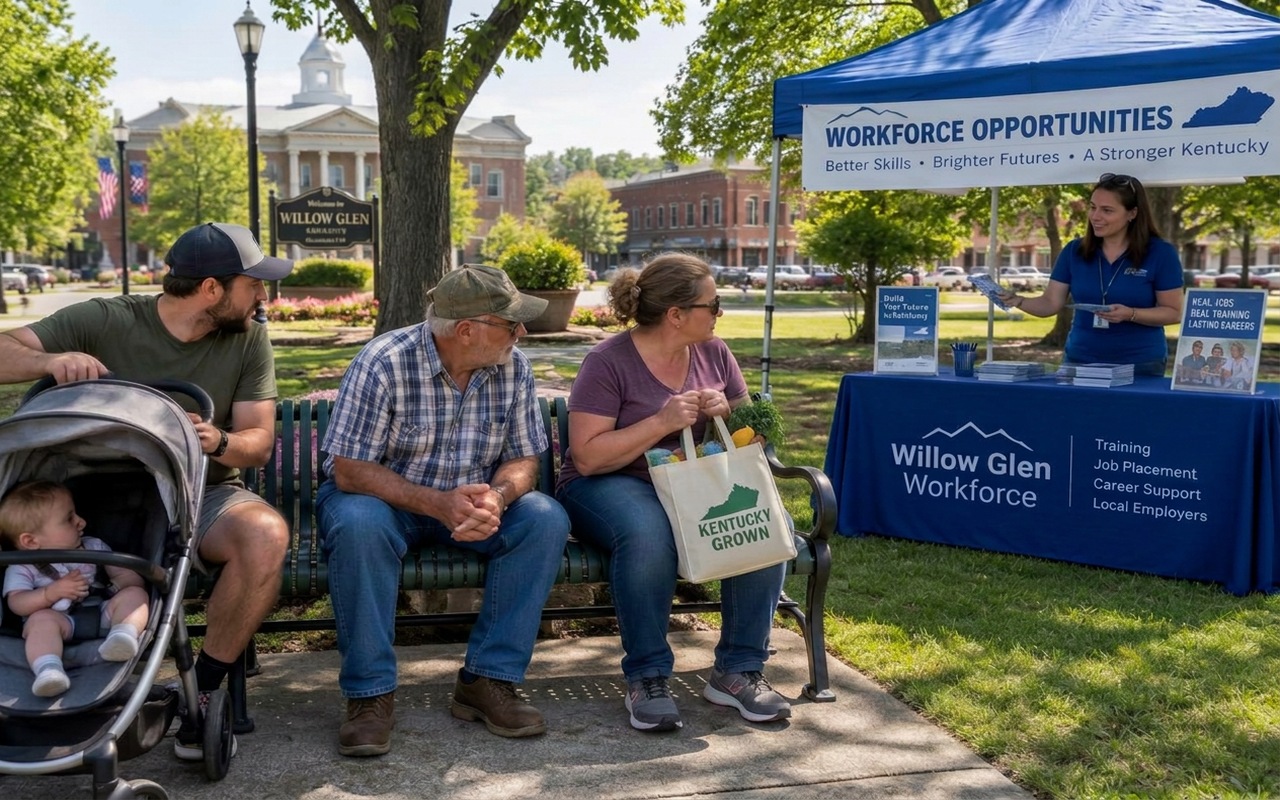
“I keep hearing there’s this huge untapped workforce,” said local resident Angela Morris. “Then I found out I’m apparently part of it.”
Morris, who left full-time work several years ago to care for a family member, said she first learned of her new economic development classification during a community presentation.
“There was a slide with a big circle that said ‘Untapped Talent,’” she said. “I thought it was a program.”
It was not.
Economic Development Director Brian Keller said residents should not be alarmed.
“When we say untapped, we mean there’s economic potential that hasn’t been fully connected to opportunity,” Keller explained.
Asked what “connected to opportunity” meant, he said it could include training, job placement, employer outreach or workforce participation initiatives.
Morris nodded slowly after hearing the explanation.
“So tapped.”
Officials said the region is not targeting specific individuals.
Instead, the workforce report identifies broad groups including parents with childcare challenges, older workers, people with disabilities, formerly incarcerated residents, part-time employees seeking more hours, discouraged workers and people currently outside the labor force.
“That’s a lot of people to tap,” said resident Marcus Hill.
Hill works part time and was identified during a focus group as someone who might consider full-time employment if offered better wages and scheduling.
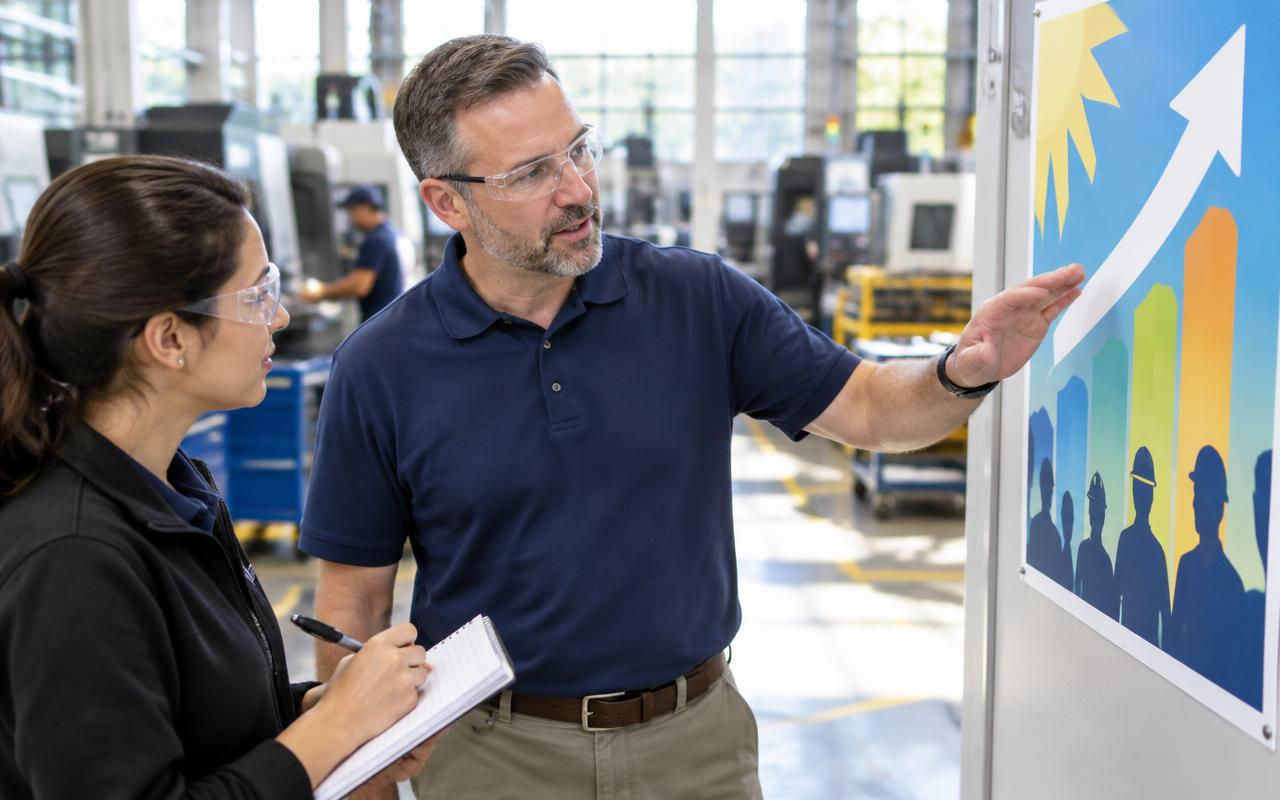
He said the conversation felt different after he saw himself represented in a consultant’s diagram.
“They called us a ‘labor force participation opportunity segment,’” Hill said. “I didn’t know I was a segment.”
The report estimates that more than 9,000 residents across the region could potentially be activated into the workforce.
The word “activated” has also drawn criticism.
“First I’m untapped,” Morris said. “Now apparently I’m inactive.”
Consultants have since clarified that “activation” is an industry term and should not be interpreted literally.
“We are talking about removing barriers to employment,” said workforce consultant Emily Grant. “Nobody is going door to door activating people.”
That statement provided limited reassurance.
The region has already created several initiatives designed to engage its untapped talent, including transportation assistance, childcare partnerships, short-term credential programs and employer outreach.
A new marketing campaign under consideration would feature the slogan “Your Next Opportunity Is Closer Than You Think.”
Officials rejected an earlier concept reading “We Know You’re Out There.”
“That one tested poorly,” Keller acknowledged.
Employers, meanwhile, say the untapped workforce could be critical to future growth.
Several manufacturers have struggled to fill open positions despite low unemployment.
One employer recently asked whether the region could “unlock” additional workers.
Workforce staff immediately added the phrase “unlocking talent” to a presentation.
Residents noticed.
“I don’t love that either,” Hill said.
The region has also explored the concept of “reengaging” residents who previously left the workforce.
Economic development officials insist these efforts are entirely voluntary.
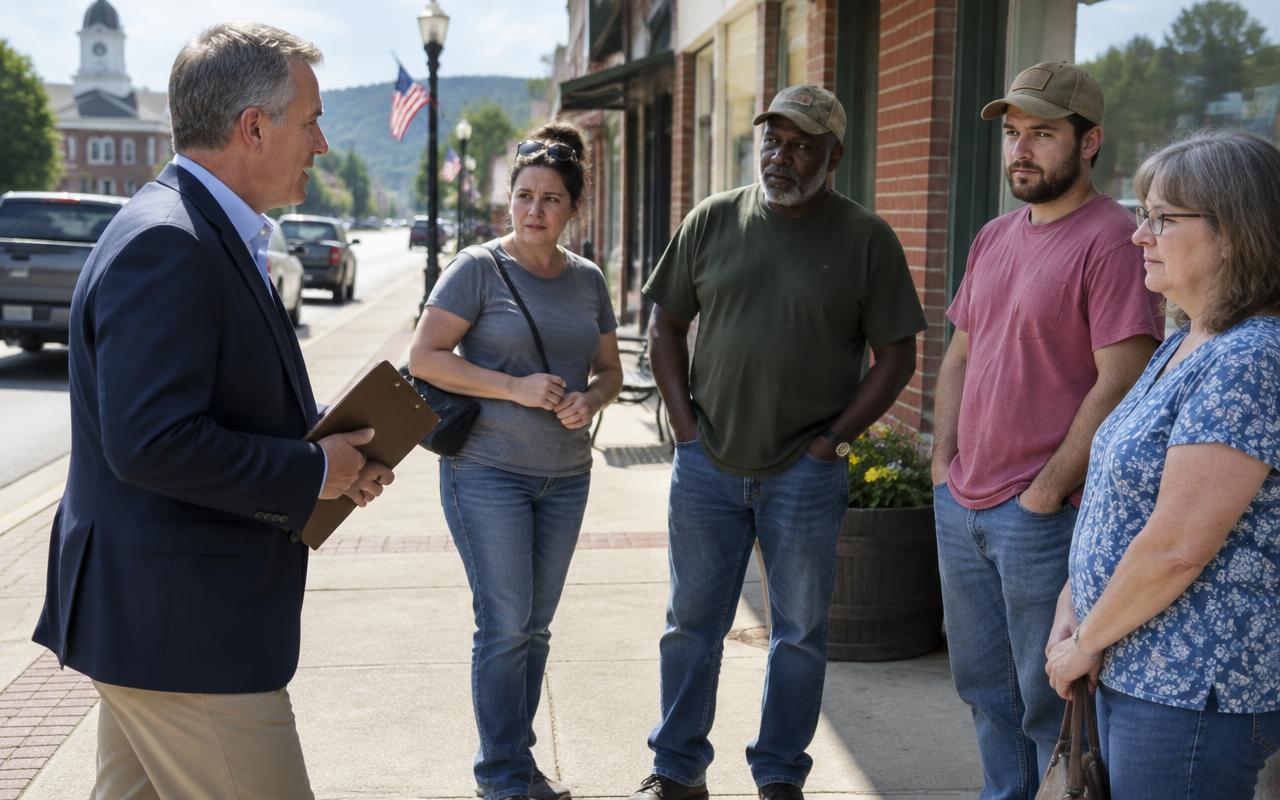
“We’re not dragging anyone into a factory,” Keller said. “We’re trying to make sure people know what opportunities exist.”
He then added that employers are particularly interested in second-shift availability.
The comment caused several members of the untapped workforce to leave the meeting early.
Local leaders say the terminology is ultimately less important than the goal of connecting people with better jobs and helping employers find workers.
Still, officials have agreed to review the language used in future workforce materials.
Potential replacements for “untapped talent” include “available talent,” “potential workforce,” “emerging workforce” and “people who may be interested in working under the right circumstances.”
Consultants said the final option was accurate but difficult to fit inside an infographic.
At press time, Willow Glen officials were preparing a new workforce presentation titled “Connecting Hidden Talent to Opportunity.”
Several residents immediately asked why they were now being described as hidden.