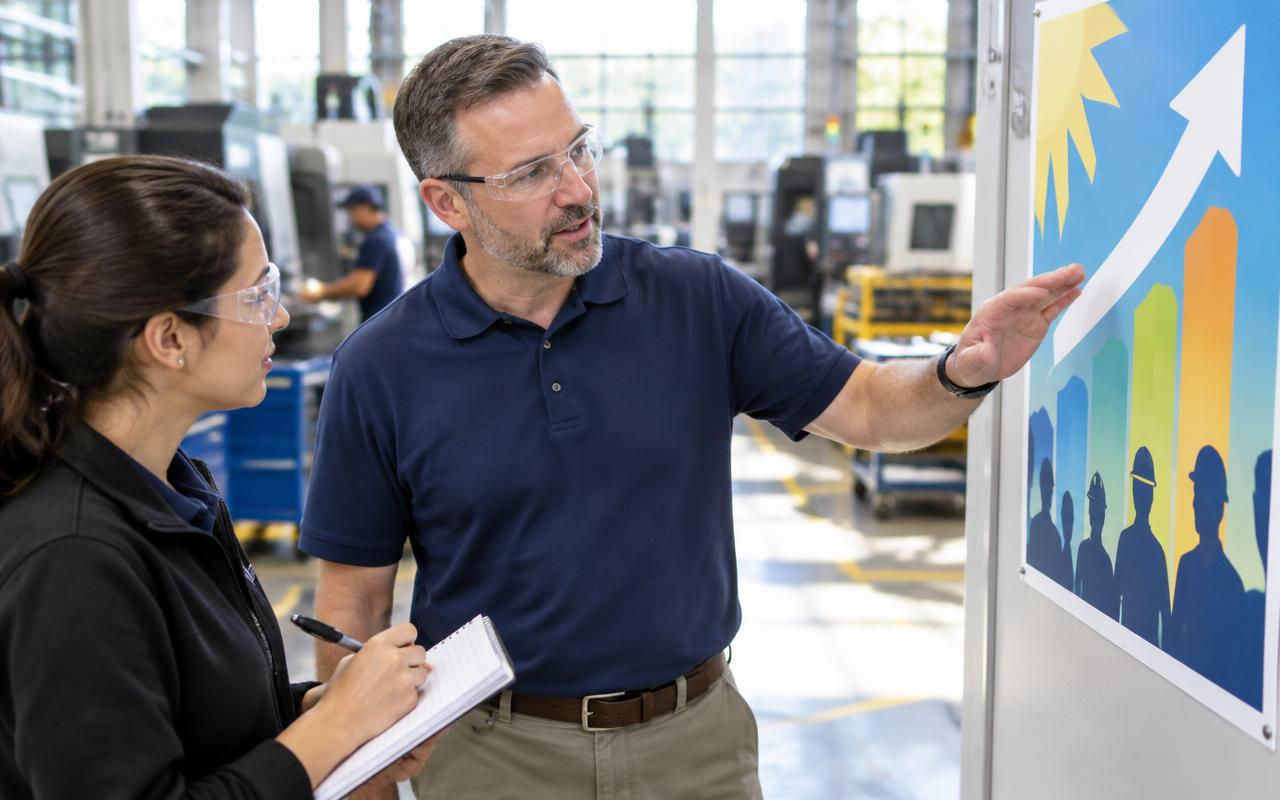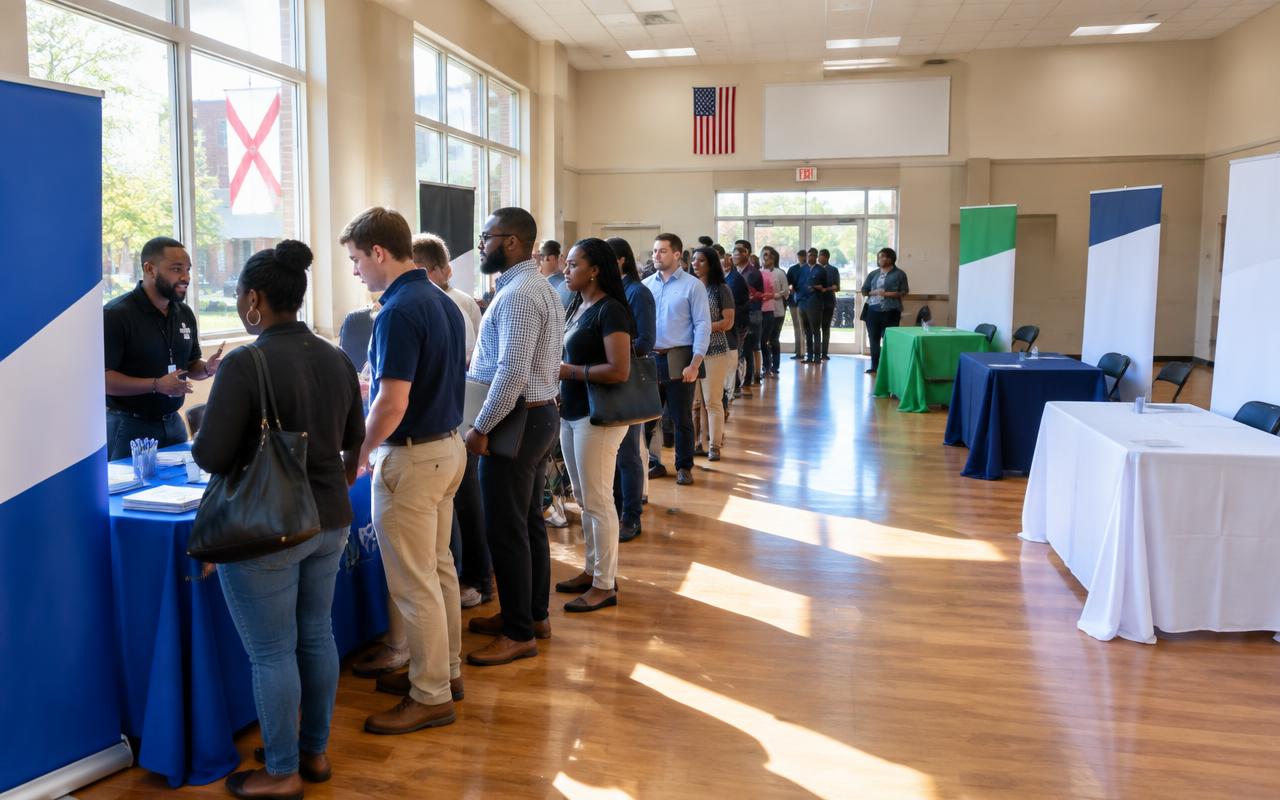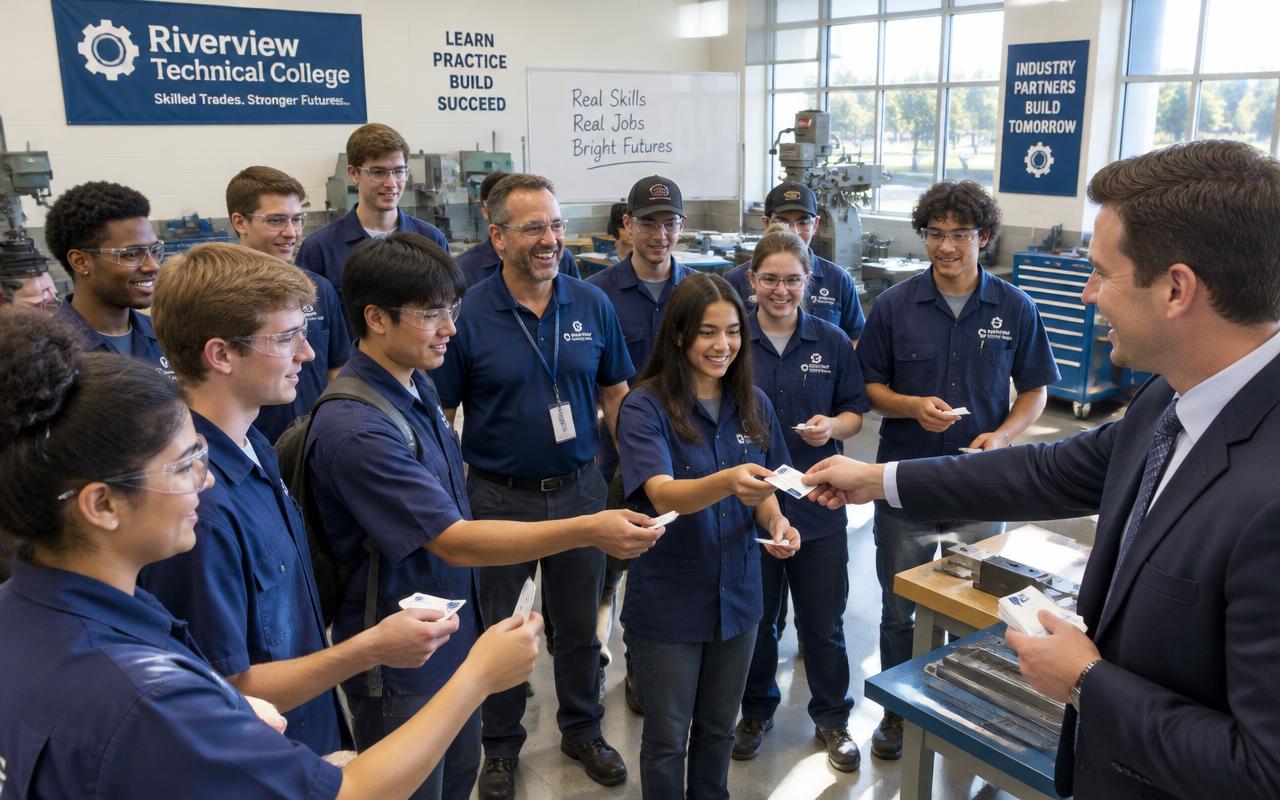

The annual workforce summit featured 14 panelists, 63 PowerPoint slides, and at least one phrase containing the words “talent pipeline,” “ecosystem,” and “future-ready” in the same sentence.
“We have to close the skills gap,” explained one consultant standing in front of a chart no one could fully interpret. “Today’s workforce lacks critical competencies like advanced manufacturing experience, five years of software knowledge, forklift certification, leadership ability, and the willingness to work for $14 an hour.”
Business leaders agreed the workforce crisis is becoming increasingly severe, particularly among younger generations who continue insisting on “work-life balance,” “career advancement,” and “being able to afford rent.”
Meanwhile, local workforce agencies proudly unveiled a new dashboard measuring key indicators such as labor participation, credential attainment, employer alignment, and “regional readiness sentiment,” a metric created after officials realized nobody actually knew how to solve any of this.
Economic developers also announced plans to launch a Workforce Innovation Task Force, which will spend the next 18 months identifying the same problems discussed when the inaugural Workforce Innovation Task Force was established years ago.
At press time, officials confirmed the region had successfully produced another 320-page workforce strategy document, bringing the community one step closer to never reading it and implementing needed change.